



Saildrive vs. Shaft Drive: The Complete Guide for Boat Owners
Making the Right Choice for Your Boat’s Propulsion System
The choice between a saildrive and a traditional shaft drive is one of the most fundamental decisions in boat design and repowering. It affects everything from performance and maintenance to your boat’s value and your own peace of mind. There is no single “best” option—only the best option for you.
At Wave Inboard Motors, we’ve installed, serviced, and repaired both systems for decades. This guide provides an unbiased, expert breakdown of the pros, cons, and key considerations to help you make an informed decision.
Core Difference: The Basic Design
-
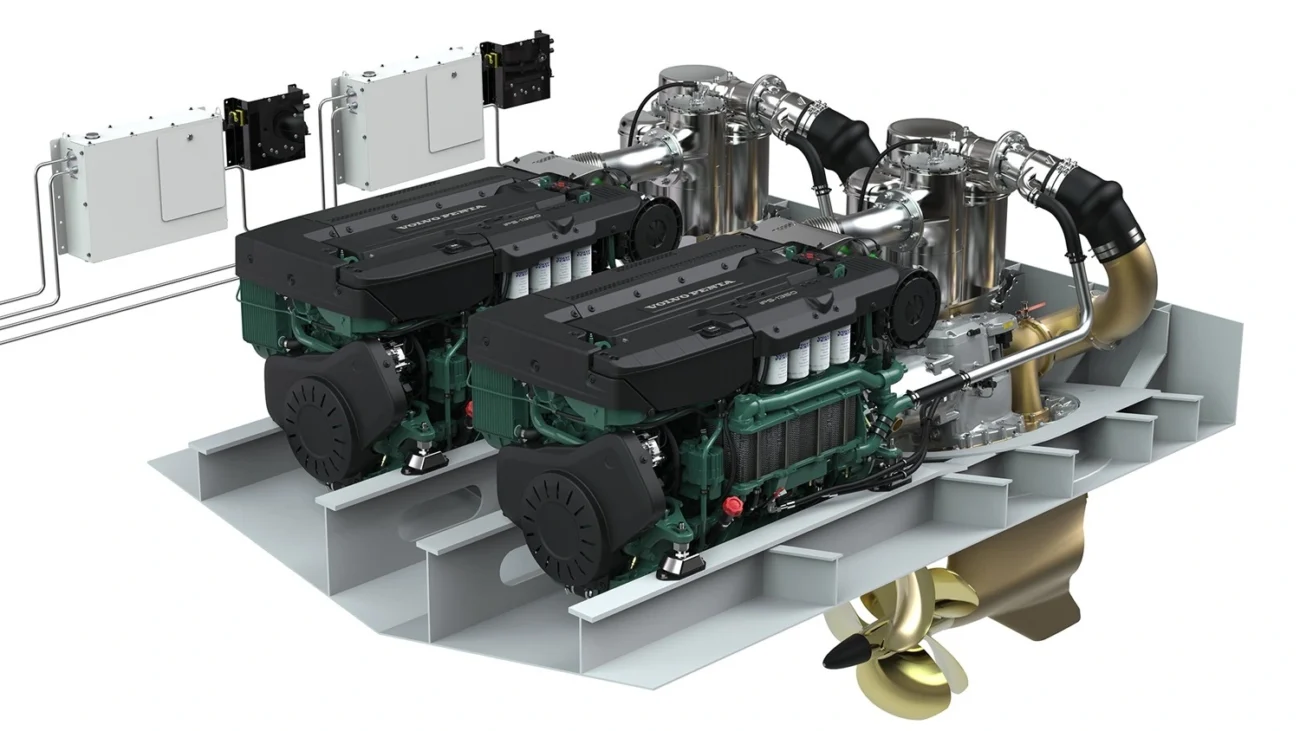
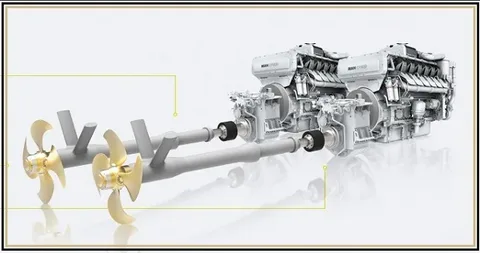
Shaft Drive: A traditional system where the engine is mounted inside the boat, connected via a propeller shaft that passes through a stuffing box or dripless seal in the hull to an external propeller.
-
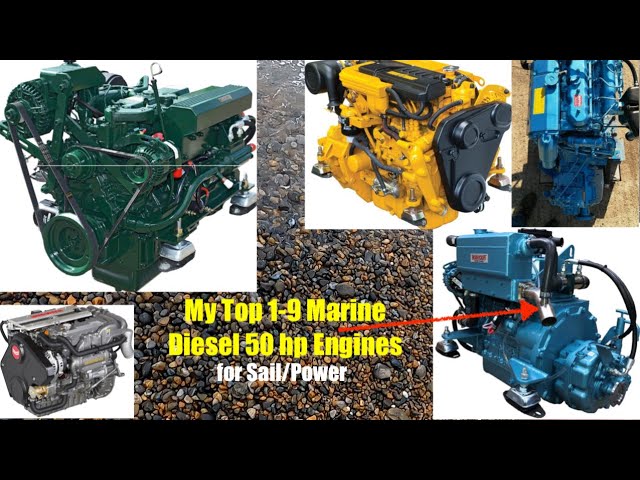
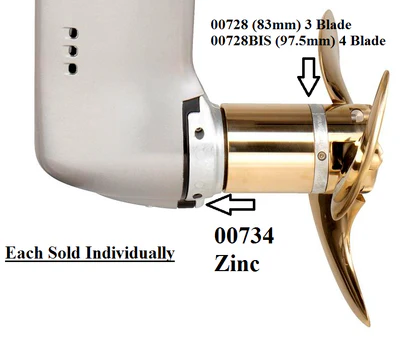
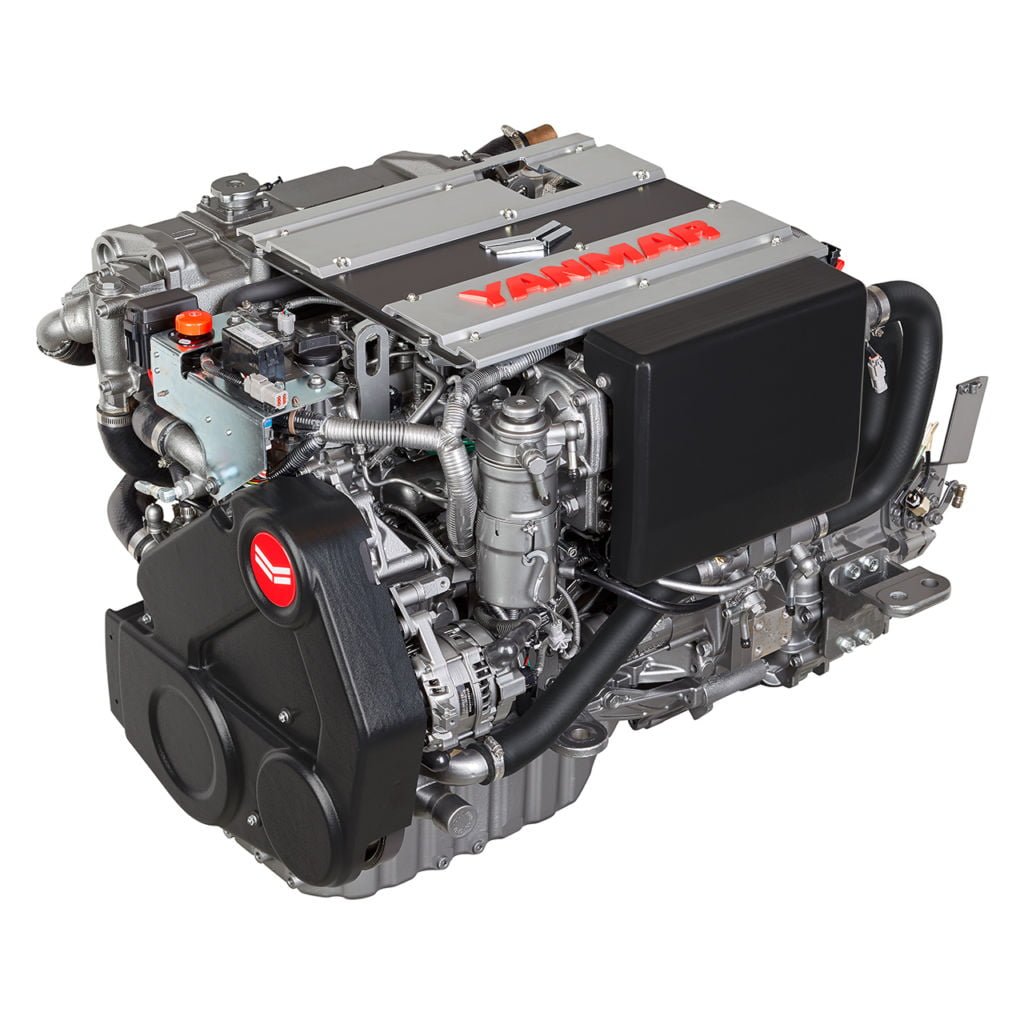
Saildrive: An integrated system where the engine is bolted directly to a leg (the “saildrive” unit) that extends through a large hole in the hull. The propeller is attached directly to this leg. Examples include the Volvo Penta D2-50 MS25L and Yanmar 4JH45 with SD60 Saildrive.
The Showdown: A Detailed Comparison Table
| Feature | Saildrive | Shaft Drive |
|---|---|---|
| Efficiency & Performance | ★★★★★ The propeller is optimally aligned, reducing drag and improving thrust. Often allows for a larger diameter prop. |
★★★☆☆ Efficiency can be lost through shaft angle alignment issues and the drag of the external struts and bearings. |
| Noise & Vibration | ★★★★★ Superior. The drive leg is rubber-mounted to the hull, isolating engine vibration. The engine sits on flexible mounts. |
★★★☆☆ Good modern installations are quiet, but more vibration can be transmitted through the rigid shaft connection. |
| Installation & Space | ★★★★☆ More compact. The engine can be placed further aft, freeing up cabin space. Simplifies initial installation. |
★★★☆☆ Requires precise engine alignment with the shaft, which can dictate engine placement. |
| Reliability & Durability | ★★★☆☆ The critical weakness is the rubber bellows that seals the leg to the hull. If it fails, it can sink the boat. The leg itself is vulnerable to impact. |
★★★★★ Superior. A simple, robust, and time-tested system. No single point of catastrophic failure. Withstands grounding better. |
| Maintenance & Repairs | ★★☆☆☆ Complex & Costly. Inspecting/replacing the bellows requires haulout. Major leg repairs often mean replacing the entire unit. |
★★★★☆ Simpler. The stuffing box can be repacked in the water. Cutless bearings and props can be changed easily. |
| Handling & Draft | ★★★★★ The propeller is closer to the hull, improving astern handling. Allows for a shallower draft. |
★★★☆☆ Handling is good but depends on hull design. Draft is determined by the depth of the shaft and propeller. |
| Cost of Ownership | ★★☆☆☆ Higher initial cost. Much higher potential repair bills for leg or bellows replacement. |
★★★★☆ Lower initial cost. Generally lower long-term maintenance and repair costs. |
Wave Inboard Motors’ Expert Recommendation: Who is each system for?
Choose a Saildrive If:
-
You prioritize smooth, quiet operation and superior performance.
-
Your sailing is primarily in deep water with minimal risk of grounding.
-
You value the space-saving design in the engine compartment.
-
You are disciplined about maintenance and will meticulously inspect and replace the bellows on schedule (typically every 5-7 years).
-
You own a modern production yacht designed around a saildrive.
Choose a Shaft Drive If:
-
Reliability and simplicity are your top priorities. You want the system with the lowest risk of catastrophic failure.
-
You cruise in rocky, shallow, or remote areas where grounding is a possibility.
-
You are a DIY-oriented owner who prefers to handle maintenance yourself.
-
You want predictable and generally lower long-term maintenance costs.
-
You own a traditional, classic, or heavy-displacement bluewater cruiser.
The Critical Saildrive Consideration: The Bellows
The rubber bellows is the single most important component on a saildrive. Its sole job is to keep the ocean out of your boat. It is susceptible to drying out, cracking, and failing due to age, heat, and flexing. A failed bellows will sink your boat quickly.
This is not a reason to avoid saildrives, but it is a reason to respect them. Meticulous, scheduled replacement of the bellows is non-negotiable.
The Bottom Line
-
Saildrives offer a high-performance, modern, and quiet experience but come with higher maintenance costs and a critical point of failure that requires vigilant upkeep.
-
Shaft Drives offer legendary robustness, simplicity, and peace of mind at the cost of a slight efficiency loss and potentially more engine room vibration.
For the bluewater cruiser prioritizing ultimate reliability, the shaft drive often wins. For the coastal cruiser wanting the best performance and a quiet cabin, the saildrive is a compelling choice.
Ready to Choose Your Propulsion System?
This decision is a core part of your boat’s identity and your cruising lifestyle.
Explore some of the most trusted systems we install:
-
Premium Saildrive Packages: 【Volvo Penta D2-50 MS25L】 | 【Yanmar 4JH45 with SD60 Saildrive】
-
Robust Shaft Drive Engines: 【Yanmar 4JH45】 | 【Beta Marine 50】 | 【Vetus M4.35】
Still Unsure? Let’s Talk About Your Boating Needs.
The best choice depends on your boat’s design, your cruising plans, and your personal tolerance for maintenance.
Contact Wave Inboard Motors today for a consultation. We’ll give you straightforward, honest advice to ensure you choose the right system for your needs.
Explore Our Related Services:
-
【Professional Marine Engine Installation】
-
【Saildrive Maintenance & Bellows Replacement】
-
【Shaft Drive Alignment & Repair】
Continue Your Research:
-
【Costs of Repowering a Sailboat】
-
【5 Signs You Need a Marine Engine Repower】
-
【Choosing the Right HP for Your Sailboat Repower】