

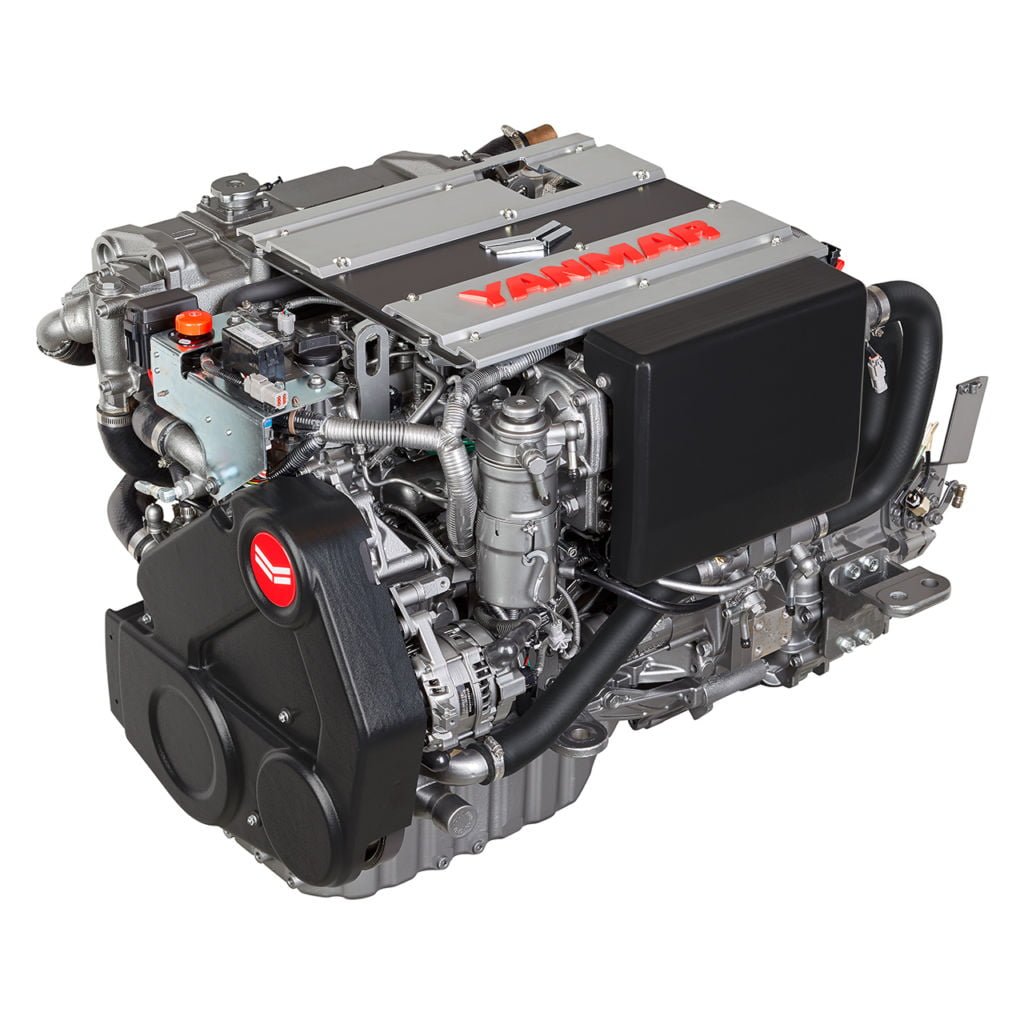


Replacing a Gasoline Marine Engine: Safety & Performance Benefits
Why Making the Switch to Diesel is the Smartest Upgrade You Can Make
For owners of older sailboats and powerboats, the familiar cough and sputter of a gasoline inboard engine—like the ubiquitous Universal Atomic 4 or various Chris-Craft engines—is a sound fraught with anxiety. While these engines have their charms, modern marine diesel technology offers such profound improvements in safety, reliability, and performance that replacing a gasoline engine is often less of a choice and more of a necessity for serious boaters.
At Wave Inboard Motors, we’ve performed countless gasoline-to-diesel conversions. The transformation in the owner’s confidence and enjoyment is immediate and permanent. This guide breaks down the undeniable benefits of making the switch.
The Unbeatable Safety Advantage
This is the most critical reason to make the change. The safety difference between gasoline and diesel is not incremental; it’s fundamental.
-
Elimination of Explosive Fumes: Gasoline vapors are heavier than air and highly explosive. They can accumulate invisibly in your bilge, waiting for a single spark from a bilge pump switch, electrical fault, or ignition source to trigger a catastrophic explosion.
-
Diesel Fuel Safety: Diesel fuel is far less volatile. It has a much higher flash point, meaning it doesn’t emit flammable vapors at normal ambient temperatures. It’s virtually impossible for diesel fumes to cause an explosion in a boat’s bilge.
-
No Ignition System: Gasoline engines require a complex ignition system—spark plugs, wires, distributor, and coil—all of which are potential sources of those dangerous sparks. Diesel engines have no such system; they rely on compression ignition, making them inherently safer.
Bottom Line: A diesel conversion removes a bomb from your bilge. This is the single greatest safety upgrade you can make to a gasoline-powered boat.
Drastic Improvement in Reliability & Efficiency
Gasoline engines are complex and temperamental compared to their diesel counterparts.
-
No More Carburetion Issues: The carburetor is the Achilles’ heel of the gasoline engine, prone to clogging from ethanol-blended fuel (E10), causing rough idling, stalling, and difficult starting.
-
Elimination of Ignition Problems: You’ll never again face a day on the water ruined by fouled spark plugs, a failed condenser, or moisture in the distributor cap.
-
Superior Fuel Efficiency: Diesel engines are inherently more efficient thermodynamically. They consume significantly less fuel per horsepower-hour, greatly extending your range and reducing fuel costs.
-
Longer Engine Life: Diesel engines are built with stronger, heavier components to withstand higher compression ratios. A well-maintained marine diesel will typically last 2-3 times longer than a gasoline engine.
Massive Gains in Performance & Usability
The performance difference isn’t just about horsepower; it’s about how that power is delivered.
-
High-Torque Power: Diesel engines produce immense torque at low RPMs. This means more “punch” to push your boat through a headwind or strong current without straining the engine. They are workhorses, not racehorses.
-
Unmatched Reliability for Cruising: The confidence to motor for hours on end without worry is priceless. A diesel engine is designed for sustained load, making it ideal for long passages or fighting a foul current.
-
Better Electrical Generation: Modern marine diesels are equipped with high-output alternators (often 100A+), which are essential for keeping up with the power demands of modern electronics and living aboard.
What Does a Conversion Involve?
A full gasoline-to-diesel conversion is a significant project, but a manageable one for professionals.
-
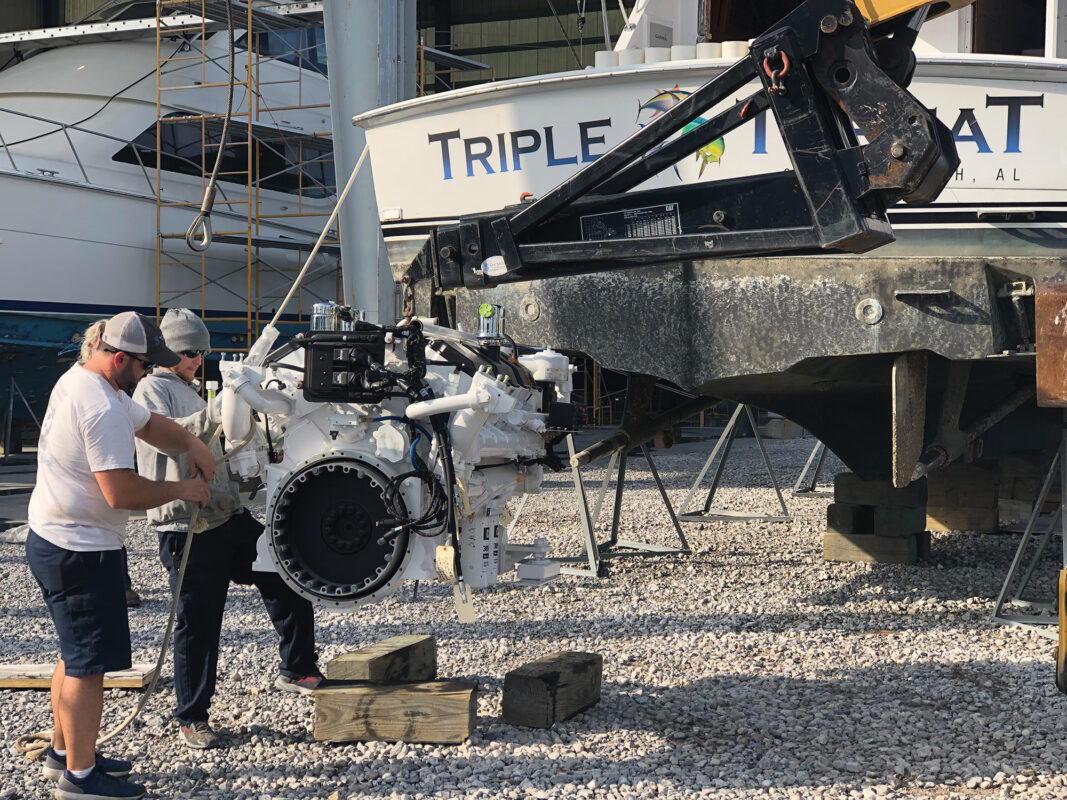
Complete Removal: The old engine, fuel tank, and all gasoline fuel lines are completely removed.
-
Thorough Cleaning: The engine compartment is meticulously cleaned to remove any residual gasoline or vapors.
-
New Engine Bed: A new engine bed is often fabricated to accommodate the dimensions and mounting points of the new diesel.
-
New Systems Installed: The new diesel engine, a dedicated diesel fuel tank, and all new fuel lines are installed.
-
New Exhaust System: A new water-lift muffler and exhaust system designed for the diesel’s wet exhaust is fitted.
Wave Inboard Motors’ Expert Recommendation
For any boat over 25 feet used for cruising, weekend trips, or living aboard, replacing a gasoline inboard with a diesel is not just an upgrade—it’s a fundamental investment in safety and peace of mind.
The conversion cost, while significant, is often comparable to a high-quality diesel repower and is recouped in the dramatically enhanced value, safety, and enjoyment of your vessel.
Popular Diesel Replacements for Gasoline Engines:
-
For boats 25′-28′ (replacing Atomic 4): 【Vetus M2.13】 (12HP) | 【Yanmar 2YM15】 (14.5HP)
-
For boats 28′-32′ (replacing Atomic 4 or small V8): 【Vetus M2.18】 (16HP) | 【Yanmar 3YM20】 (21HP)
-
For larger powerboats (replacing Chris-Craft V8): 【Yanmar 4JH57】 (57HP) | 【Beta Marine 60】 (60HP)
Conclusion: Trade Anxiety for Confidence
Replacing your gasoline engine is one of the few boat projects that fundamentally changes your relationship with your vessel. You trade the anxiety of ignition problems and explosive fumes for the confident hum of reliable, safe, and efficient power.
It’s a decision you’ll never regret every time you turn the key.
Ready to make your boat safer and more reliable? Contact Wave Inboard Motors for a consultation. We’ll provide a transparent assessment and quote for your conversion project.
Explore Our Related Services:
Continue Your Research:
-
【Benefits of a Remanufactured Marine Diesel Engine】