


Volvo Penta vs. CAT vs. MTU: The 2024 Guide to Heavy Duty Marine Diesels
An expert breakdown of performance, support, and value for superyachts, workboats, and serious cruisers.
Introduction
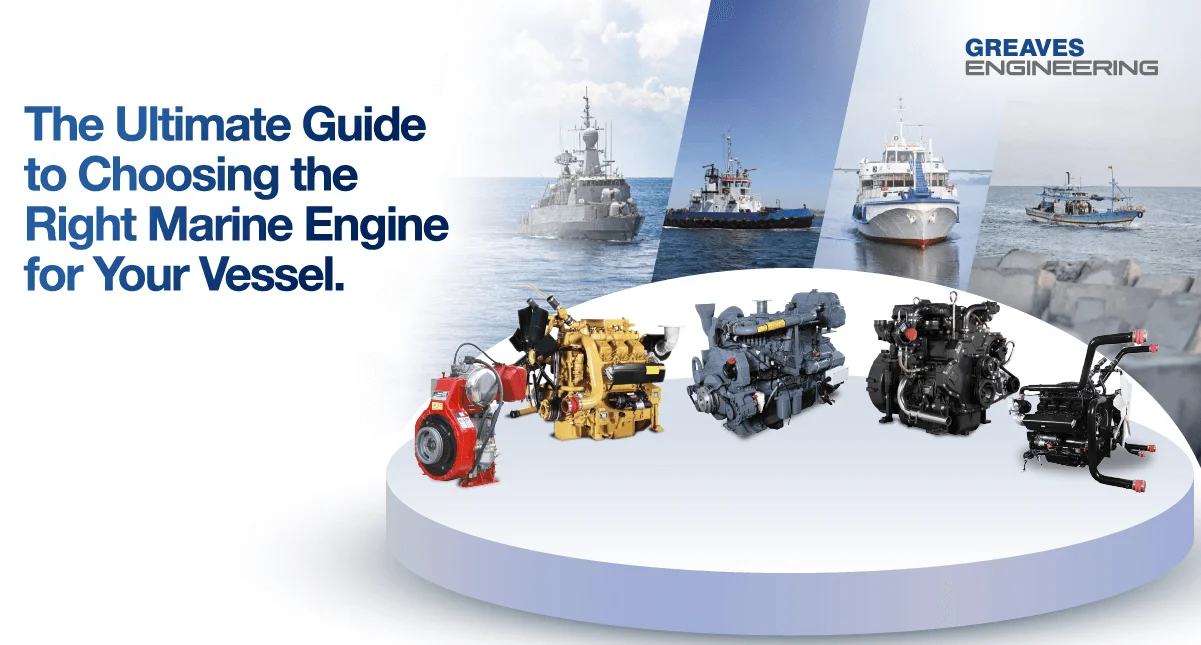
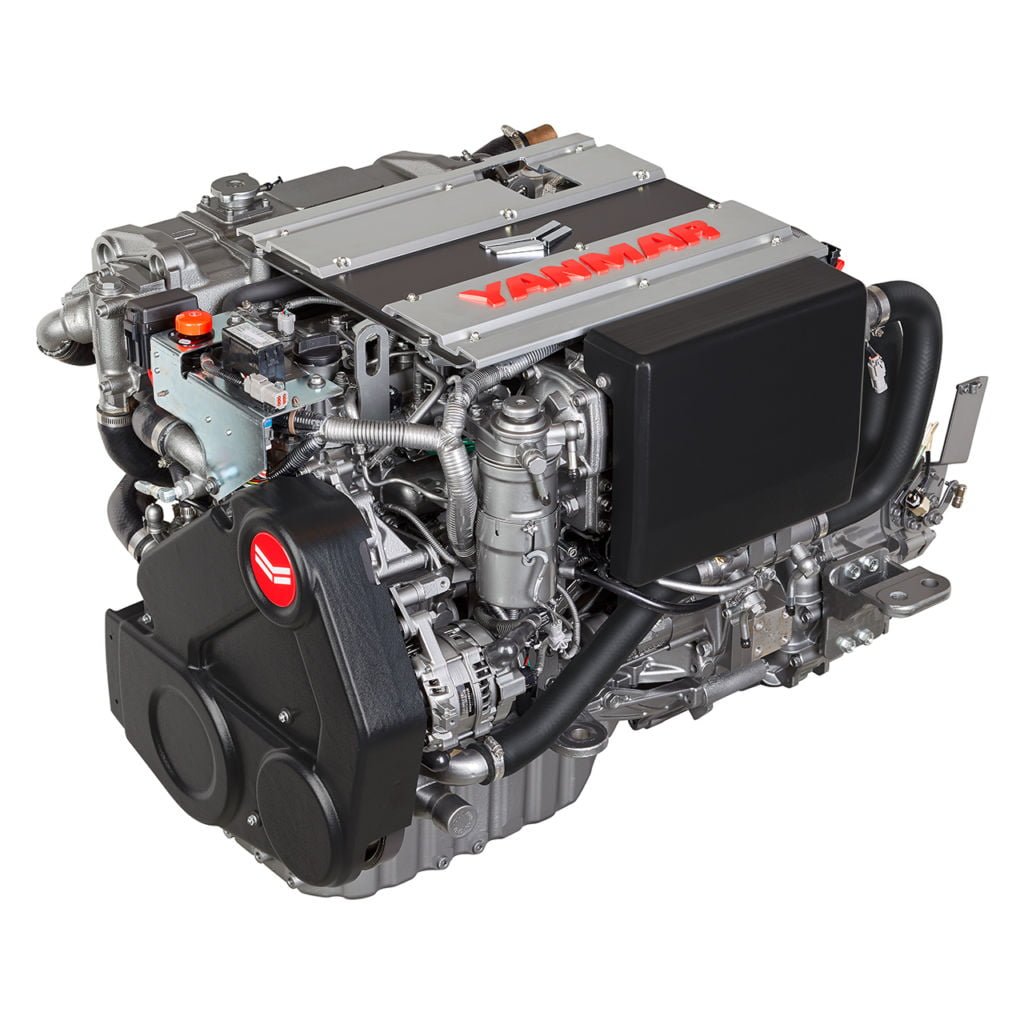
[Image: A powerful composite image showing the distinctive valve covers of a Volvo Penta, a CAT, and an MTU engine side-by-side.]
Image Caption: Three titans of industry: Volvo Penta, Caterpillar, and MTU represent the pinnacle of heavy-duty marine propulsion, each with a unique philosophy.
Selecting the primary power for a large yacht or commercial vessel is one of the most critical decisions an owner or builder will make. In the realm of heavy-duty marine diesels (500hp+), three names consistently dominate the conversation: Volvo Penta, Caterpillar (CAT), and MTU. This isn’t a choice to be made on brand reputation alone.
At Wave Inboard Motors, our expertise stems from hands-on experience with all three brands through complex 【Marine Engine Repowering Solutions】 and 【Marine Engine Installation Services】. We’ve seen their strengths and weaknesses in real-world conditions. The “best” engine is the one that perfectly aligns with your vessel’s mission, operational profile, and long-term goals. This guide cuts through the marketing to provide a clear, unbiased comparison.
The Contenders at a Glance
| Brand | Core Identity & Heritage | Common Use Cases |
|---|---|---|
| Volvo Penta | The Integrated System Innovator. Swedish engineering focused on compact, lightweight designs and seamless electronic integration (IPS, EVC). Strong in high-performance yachts. | High-performance motor yachts, fast ferries, commercial craft using IPS. |
| Caterpillar (CAT) | The Industrial Powerhouse. American-built with a legendary reputation for mechanical durability, simplicity, and global industrial support. The workhorse of the seas. | Workboats, fishing vessels, long-range trawlers, tugboats, and traditional yachts. |
| MTU | The Engineering Powerhouse. German precision engineering, often considered the pinnacle of high-performance, high-RPM diesel technology. The choice for ultimate power density. | Superyachts, military vessels, high-speed ferries, and applications where maximum power in a compact space is critical. |
Head-to-Head: Key Comparison Factors
1. Performance & Engineering Philosophy
-
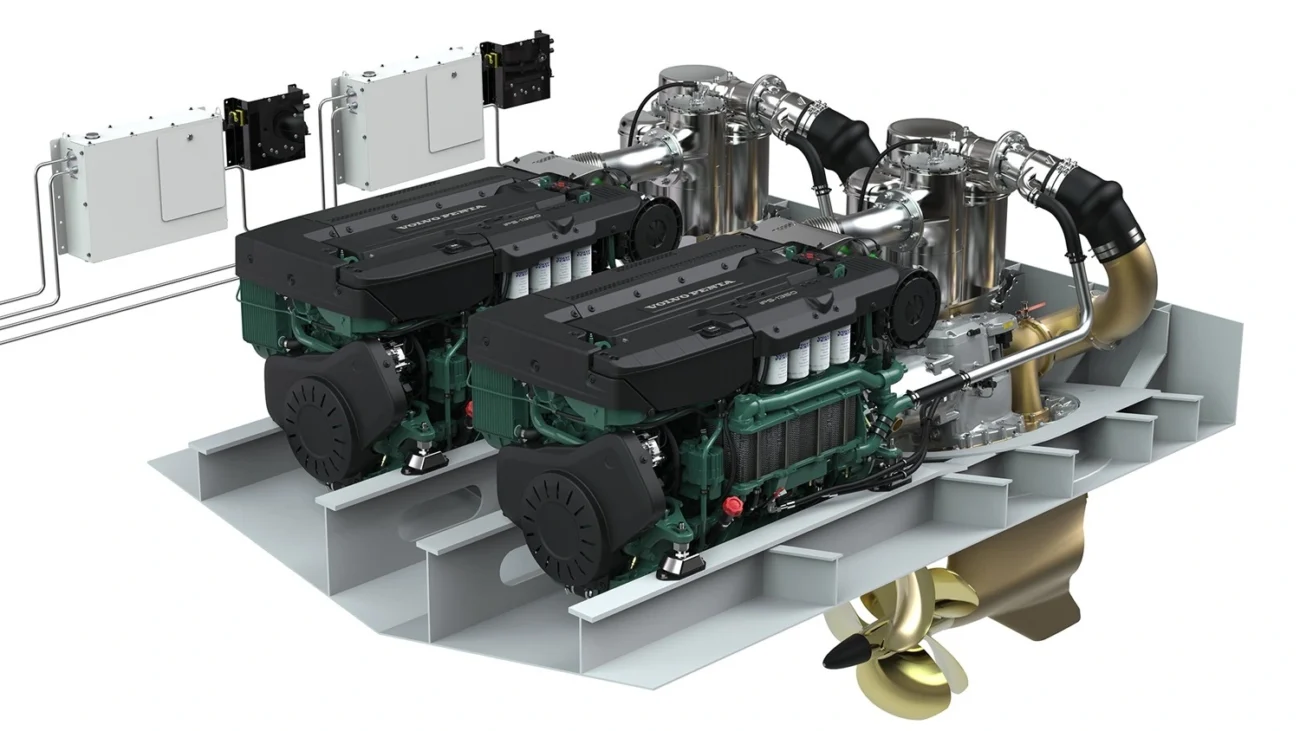
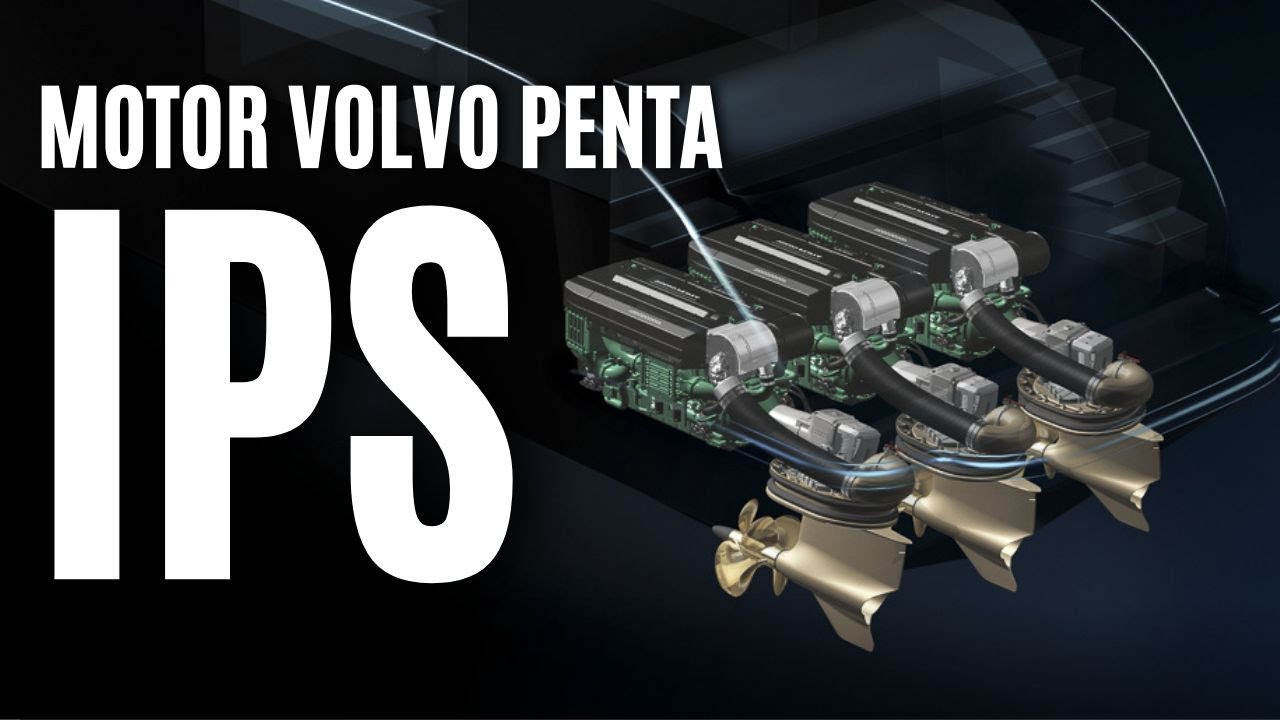
Volvo Penta: Focuses on high power-to-weight ratios and system-wide efficiency, especially with 【Benefits of Volvo Penta IPS Pod Drives】. Engines are smooth, quiet, and optimized for planing hull performance.
-
Caterpillar (CAT): Built for torque and long-term durability at sustained loads. CAT engines are known for their massive low-end torque and robust, often simpler, mechanical foundations.
-
MTU: The leader in power density (hp per liter) and high-RPM performance. MTU engines are engineering marvels, designed for blistering speed and relentless operation in the most demanding conditions.
Verdict: For all-out speed and power density, MTU leads. For robust, low-RPM torque and longevity, CAT excels. For a balance of performance, weight, and integrated technology, Volvo Penta is a top contender.
2. Reliability & Durability
-
Volvo Penta: Highly reliable with a focus on advanced electronics. Complexity can sometimes mean higher repair costs for system-specific issues.
-
Caterpillar (CAT): Has a legendary, almost unrivaled reputation for bulletproof reliability and the ability to run for tens of thousands of hours with proper care. Their designs prioritize field-serviceability.
-
MTU: Extremely reliable under high-stress, high-performance operation. Their precision engineering demands meticulous 【Scheduled Marine Diesel Maintenance】 but rewards it with exceptional performance and life.
Verdict: For pure, no-nonsense, long-term durability in harsh conditions, CAT often gets the nod. MTU and Volvo Penta are highly reliable but their advanced systems require more specialized care.
3. Global Parts & Service Network
-
Volvo Penta: Has an excellent global network, particularly strong in Europe and the Americas. Parts can carry a premium.
-
Caterpillar (CAT): Arguably the most extensive and robust global support network of the three, thanks to their industrial and construction base. Parts are often available in the most remote ports.
-
MTU: Also has a strong global network, especially under the Rolls-Royce Solutions umbrella. Service and parts are top-tier but come at a premium cost.
Verdict: CAT wins on pure ubiquity and cost-effectiveness of parts. Volvo Penta and MTU have excellent networks but are more specialized.
4. Cost & Value Proposition
-
Volvo Penta: Positioned as a premium product. The value is in the integrated systems, fuel efficiency, and lighter weight.
-
Caterpillar (CAT): Competitive initial purchase price with a strong value retention. Known for lower long-term operating costs in heavy-duty cycles.
-
MTU: The premium price leader. You are paying for top-tier engineering, performance, and the prestige of the brand.
Verdict: CAT often represents the best value for pure durability. MTU commands a premium for performance. Volvo Penta sits in between, justifying its cost with system-wide benefits.
Which Brand is Right for You? An Expert Recommendation
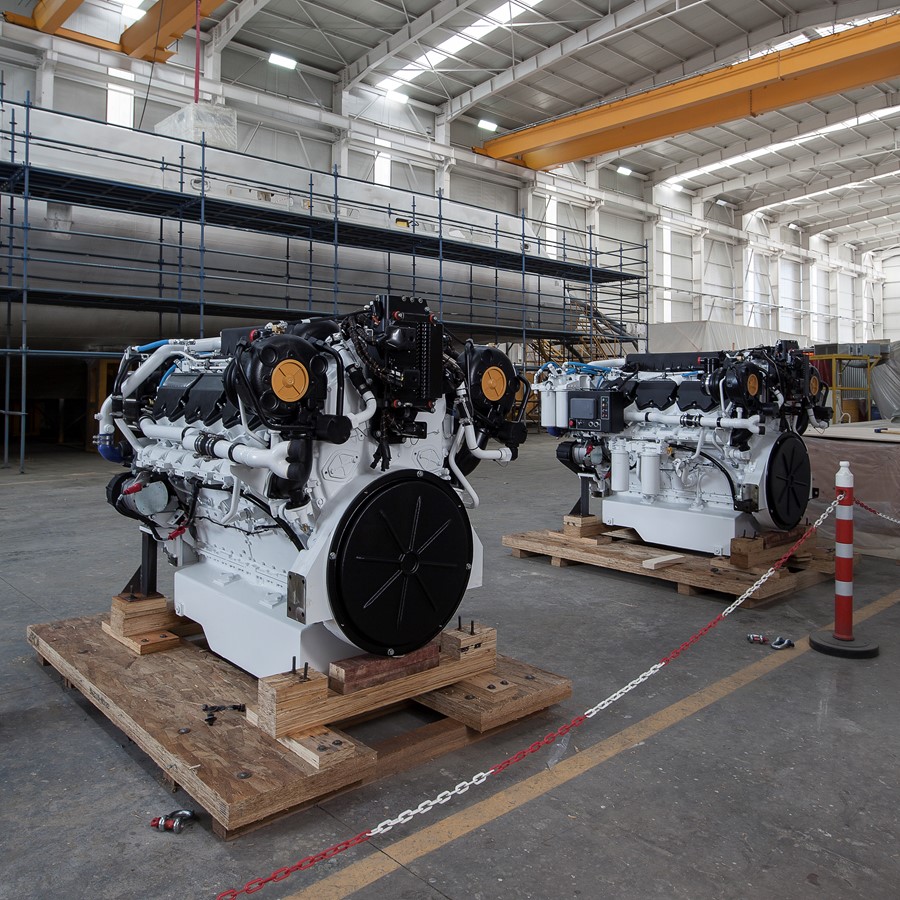
[Image: Three application-based photos: a rugged fishing boat (CAT), a sleek performance yacht (Volvo), a massive superyacht (MTU).]
Image Caption: The right engine brand often depends on the vessel’s primary mission.
Choose VOLVO PENTA if…
-
Your vessel is a performance motoryacht or ferry where weight savings and fuel efficiency are paramount.
-
You plan to utilize 【Volvo Penta IPS Pod Drives】 for the ultimate in maneuverability and space savings.
-
You value the most integrated and user-friendly electronic control systems (EVC).
Choose CATERPILLAR (CAT) if…
-
Your vessel is a workboat, fishing boat, or long-range trawler where continuous, heavy-load operation is the norm.
-
You operate in remote areas where global parts availability and mechanical simplicity are critical.
-
Your top priorities are long-term durability and minimizing the total cost of ownership.
Choose MTU if…
-
You are outfitting a superyacht or high-speed military craft where maximum power and compact dimensions are non-negotiable.
-
Performance and speed are the ultimate goals, and the budget reflects that mission.
-
You require the latest in high-RPM diesel technology and precision engineering.
Frequently Asked Questions (FAQ)
Q1: Which brand has the best fuel efficiency?
A: It depends on the application. Volvo Penta, especially with IPS, often leads in efficiency for planing hulls due to its superior propulsion system. CAT engines are highly efficient at sustained loads. MTU excels in power output but can have higher fuel consumption at wide-open throttle due to their performance nature.
Q2: Are MTU engines just rebadged?
A: This is a common misconception. While MTU has historical ties to other manufacturers, their Series 2000 engines are their own distinct, world-class designs. They are not simply rebadged Detroit Diesels or other brands.
Q3: For a repower, which is the easiest to install?
A: This is highly vessel-specific. However, Volvo Penta’s compact dimensions and integrated systems can sometimes simplify a repower. CAT and MTU engines may require more custom fabrication due to their different footprints and accessory layouts. A 【Marine Engine Diagnostic Service】 is essential to plan this.
Q4: What about emissions compliance?
A: All three manufacturers offer engines compliant with IMO Tier III and EPA Tier 4 standards. They achieve this through different technologies like SCR (Selective Catalytic Reduction) and advanced combustion engineering. There is no significant leader; all are compliant.
Q5: What is the single biggest mistake in choosing between these?
A: Letting brand loyalty override operational need. Putting a high-strung MTU in a displacement hull workboat is a waste, just as putting a low-RPM CAT in a high-speed chase boat is a mismatch. The vessel’s hull form and operational profile must dictate the choice.
Conclusion: The Final Word
There is no single “best” brand—only the best brand for your specific vessel and mission.
-
CAT is the indestructible workhorse.
-
MTU is the thoroughbred performance king.
-
Volvo Penta is the sophisticated, integrated system innovator.
This decision is too critical to make alone. Contact the experts at Wave Inboard Motors for a consultation. We can provide data-driven recommendations based on your hull, performance goals, and budget, ensuring you invest in the right power for your voyage ahead.