


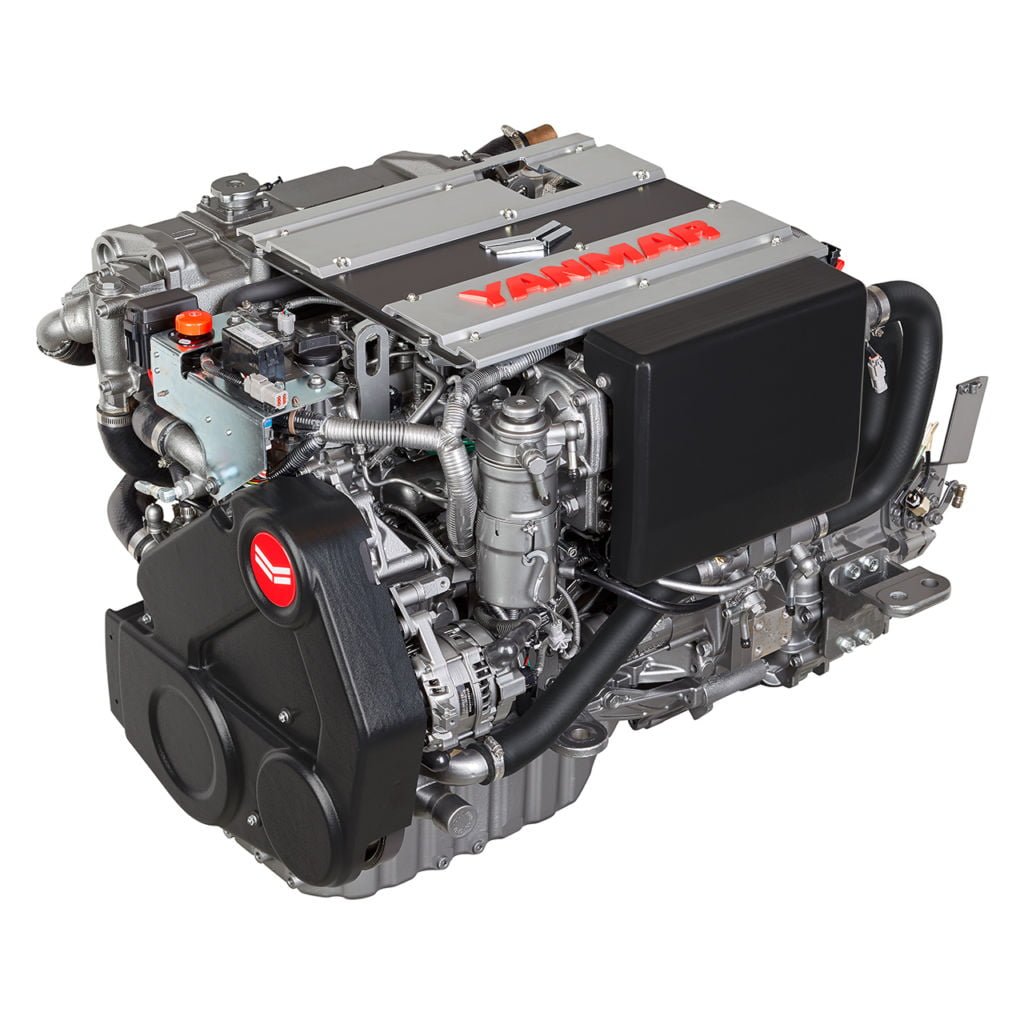

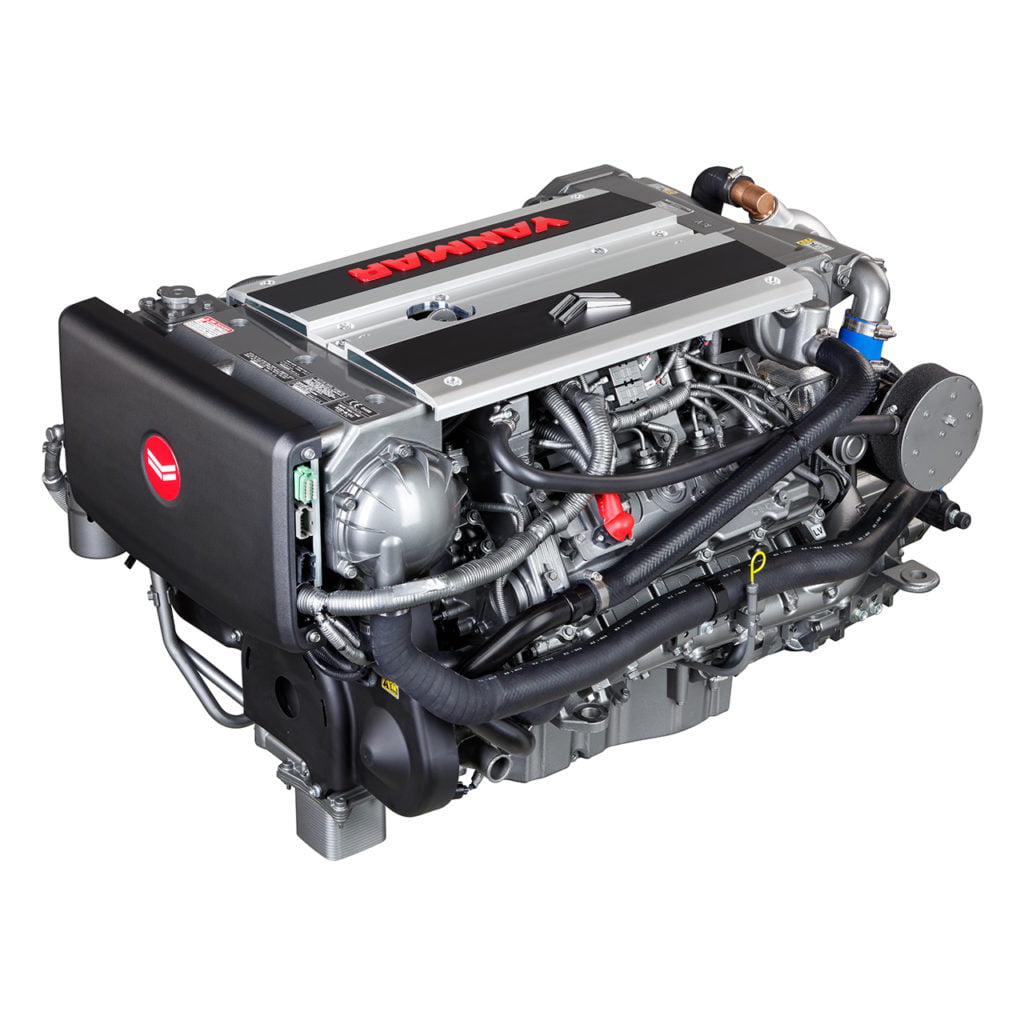

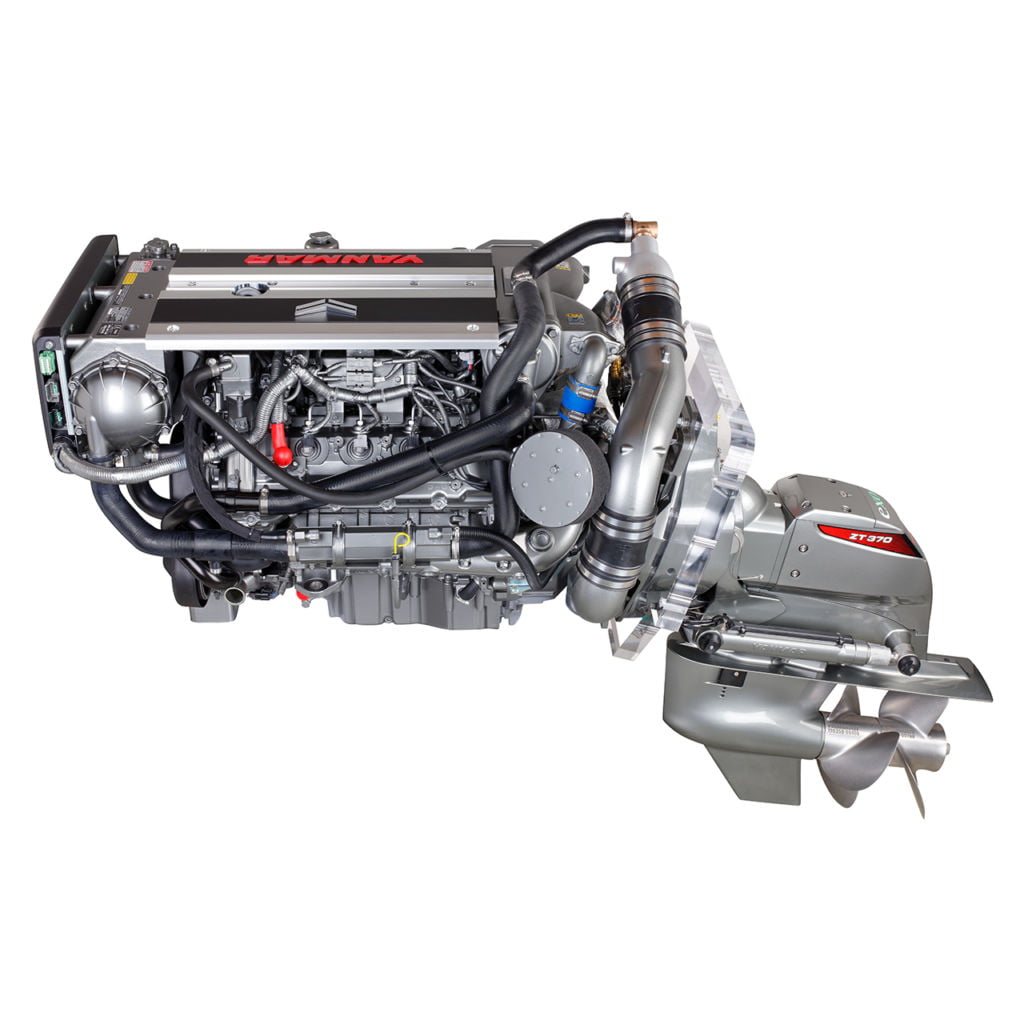
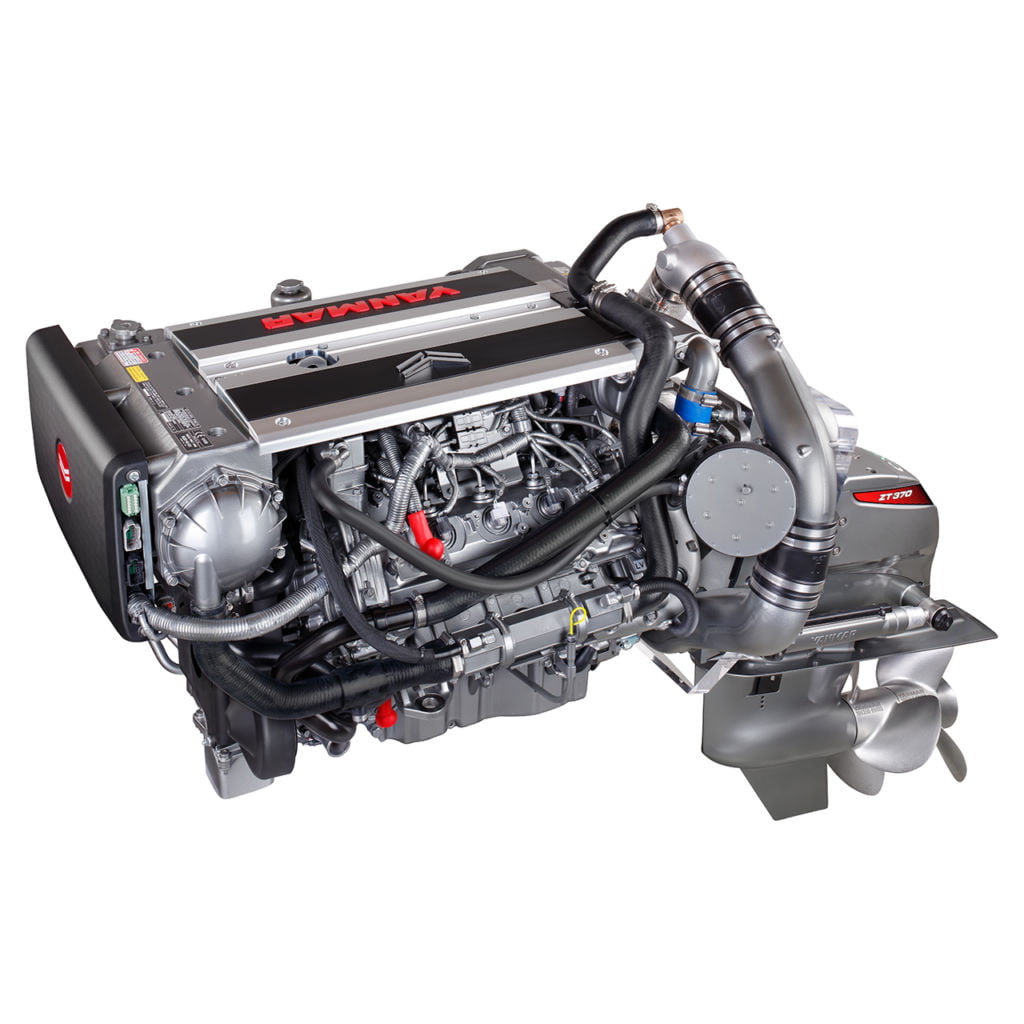

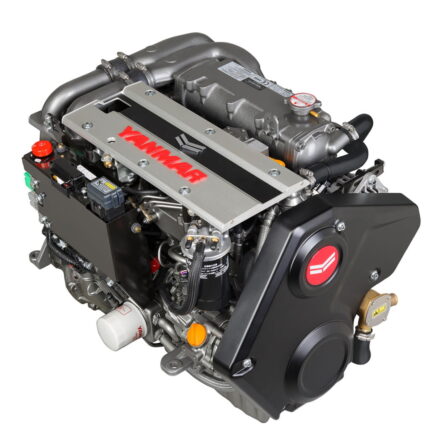
YANMAR 8LV-320: The Compact V8 Powerhouse with 320hp
Advanced V8 engineering delivers an unbeatable combination of power, smoothness, and space-saving design.
Introduction
For vessel owners who require robust power and refined operation but are constrained by engine room dimensions, the YANMAR 8LV-320 320hp marine diesel engine presents an ideal solution. This engine leverages the smooth power delivery and compact architecture of a V8 configuration to deliver exceptional performance without compromise. At Wave Inboard Motors, our direct experience with the 8LV series comes from integrating these engines into performance cruisers and sportfish boats through our Marine Engine Installation Services, where their power density consistently proves invaluable.
The 8LV-320 is engineered for a wide range of vessels, from performance cruisers and sportfish boats to luxury yachts in the 35- to 55-foot range. Its advanced common-rail fuel injection and turbocharging provide strong, responsive power and excellent fuel economy. The compact V8 design is particularly advantageous for marine diesel repower projects, often fitting into engine bays previously occupied by larger, less powerful engines.
For owners considering an upgrade, the 8LV-320 offers a compelling balance of modern performance and practical packaging. As part of our comprehensive Marine Engine Repowering Solutions, we ensure this engine is perfectly matched to your vessel’s hull and operational profile. To understand the full investment, we recommend our guide Calculating the True Cost of a Marine Repower.
Technical Specifications Table
| Specification | Detail |
|---|---|
| Model | YANMAR 8LV-320 |
| Engine Type | 8-Cylinder, 4-Stroke, V8, Turbocharged & Aftercooled, Common Rail Diesel |
| Displacement | 7.0 L |
| Max Output | 320 HP (235 kW) @ 3300 RPM |
| Peak Torque | 708 lb-ft (960 Nm) @ 1900 RPM |
| Bore x Stroke | 96 mm x 121 mm |
| Compression Ratio | 16.5:1 |
| Cooling System | Freshwater Heat Exchanger |
| Starting System | 24V Electric Start |
| Alternator Output | 24V, 150A |
| Dry Weight | Approx. 1631 lbs (740 kg) |
| Dimensions (LxWxH) | Approx. 55.1″ x 37.4″ x 38.6″ (1400mm x 950mm x 980mm) |
| Gear Ratio Options | ZF 280A (Various ratios from 1.5:1 to 3.0:1) |
Competitor Comparison Table
| Feature | YANMAR 8LV-320 | Volvo Penta D6-330 | CAT C7.1 355hp |
|---|---|---|---|
| Engine Type | V8, Turbo, Common Rail | Inline-6, Turbo, Common Rail | Inline-6, Turbo, Common Rail |
| Power & Torque | 320hp, High Torque | 330hp, Good Torque | 355hp, High Torque |
| Weight | 1631 lbs | 1280 lbs | 1950 lbs |
| Packaging | Excellent (Compact V8) | Good (Longer Inline-6) | Less Compact |
| Smoothness | Inherent V8 Balance | Very Smooth | Smooth |
| Key Differentiator | Best Power & Packaging Combo | Renowned Smoothness | Industrial Durability |
Verdict: The YANMAR 8LV-320’s dominant advantage is its exceptional packaging efficiency, offering substantial V8 power in a compact, space-saving design. While the Volvo Penta D6-330 is slightly more powerful and the CAT C7.1 is built for extreme durability, the 8LV-320 is the ideal choice for installations where space is limited and robust, smooth power is required.
Replacement Options Table
| Option | Major Overhaul of Old Engine | Repower with YANMAR 8LV-320 | Repower with Larger Inline-6 |
|---|---|---|---|
| Condition | “Zero-Hour” but Outdated | Brand New, Modern Technology | Brand New, More Power |
| Warranty | Limited (on workmanship) | Full YANMAR Factory Warranty | Full Manufacturer Warranty |
| Performance | Restored to Original | Superior Power & Efficiency | Higher Performance |
| Packaging | Same Footprint | Often More Compact | May Require Modifications |
| Project Value | Minimal Increase | Significant Value Increase | Significant Value Increase |
Expert Recommendation: For vessels where engine room space is a primary concern, the YANMAR 8LV-320 is an outstanding investment. Its compact V8 design often allows for a straightforward installation where bulkier engines won’t fit, while still delivering modern, efficient power. Before proceeding, a Marine Engine Diagnostic Service is crucial to assess your vessel’s structural and system readiness.
Pros and Cons Table
| Pros | Cons |
|---|---|
| Exceptional Power Density & Compact Design | Premium Purchase Price |
| Smooth, Responsive V8 Power Delivery | Complex V8 layout can complicate some services |
| Excellent Fuel Efficiency | Heavier than some inline-6 alternatives |
| Strong, Broad Torque Curve | Requires meticulous Scheduled Marine Diesel Maintenance |
| Global YANMAR Support Network |
Frequently Asked Questions (FAQ)
Q1: What is the main advantage of the 8LV-320’s V8 configuration?
A: The primary advantage is packaging. The V8 design is significantly more compact in length than an inline-6 or inline-8 of similar displacement, making it ideal for vessels with limited engine room length. It also provides inherently good balance and smooth power delivery.
Q2: How does the 8LV-320 compare to the 8LV-370?
A: Both engines share the same robust 7.0-liter V8 block. The 8LV-370 produces more power and torque through different turbocharging and engine tuning. The 8LV-320 provides exceptional performance for its class, often with benefits in long-term reliability and fuel economy at cruise.
Q3: Is the 8LV-320 suitable for a heavy-displacement trawler?
A: While it can power displacement hulls, the 8LV-320 is optimized for planing hulls that can utilize its high power-to-weight ratio and strong mid-range torque. For a pure displacement vessel that operates continuously at low RPM, a lower-RPM, larger-displacement engine may be more efficient.
Q4: What is the most critical maintenance aspect for the 8LV-320?
A: Fuel quality and filtration are non-negotiable. The high-pressure common rail system has extremely tight tolerances. Water or debris in the fuel can cause catastrophic damage to injectors and the high-pressure pump. Adherence to a strict Scheduled Marine Diesel Maintenance schedule using OEM filters is essential.
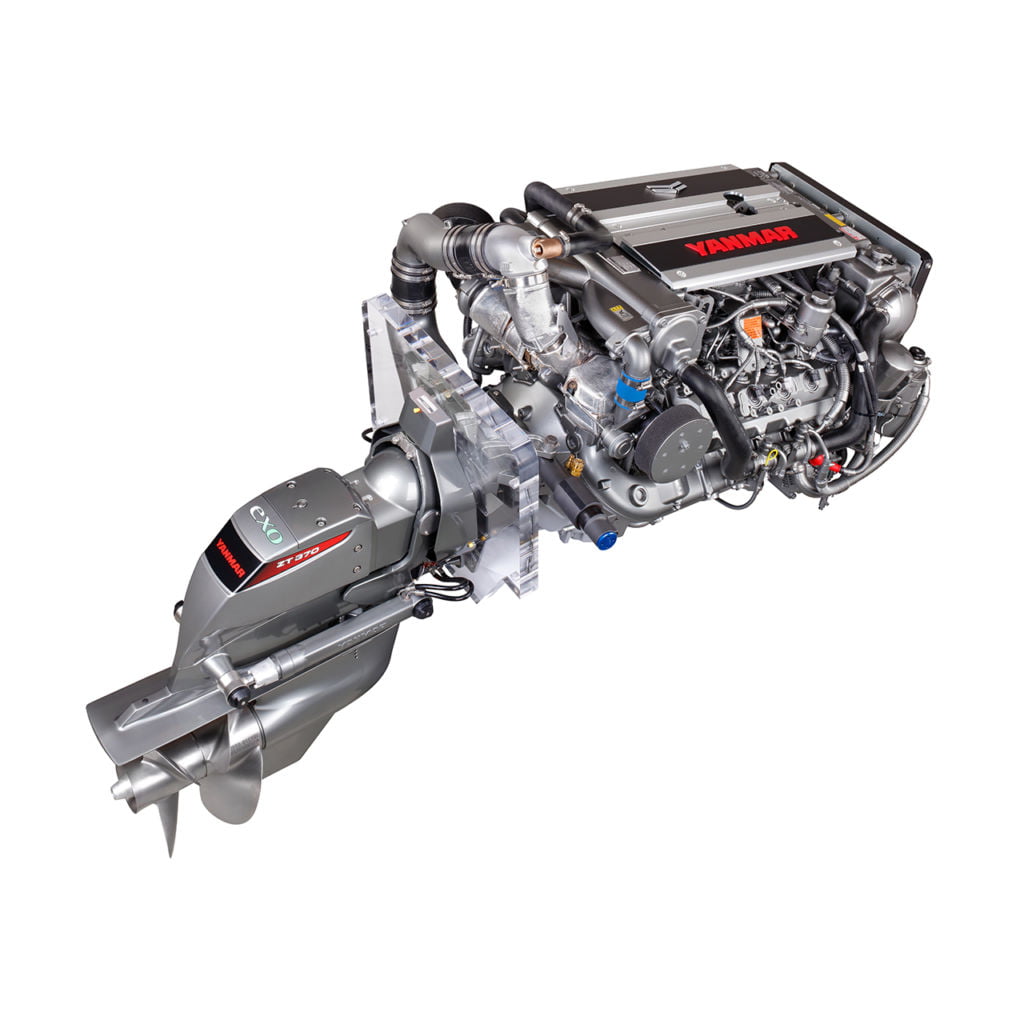
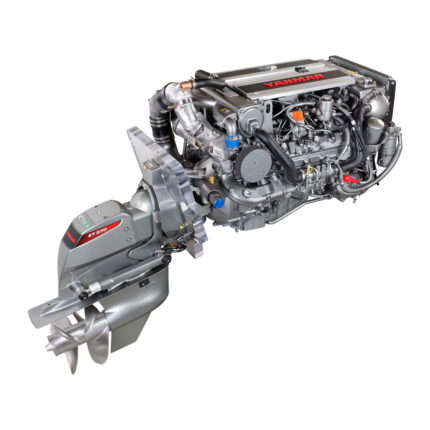
Q5: Can the 8LV-320 be used with pod drives?
A: Yes, the 8LV-320 can be an excellent candidate for pod drive systems when properly matched and configured. Its compact dimensions and strong torque output make it well-suited for such advanced propulsion packages.



Reviews
There are no reviews yet.