


Sailboat Engine Selection Guide: Finding Your Perfect Auxiliary Power
A comprehensive guide to choosing the right diesel engine for your sailboat’s needs and sailing style.
Introduction
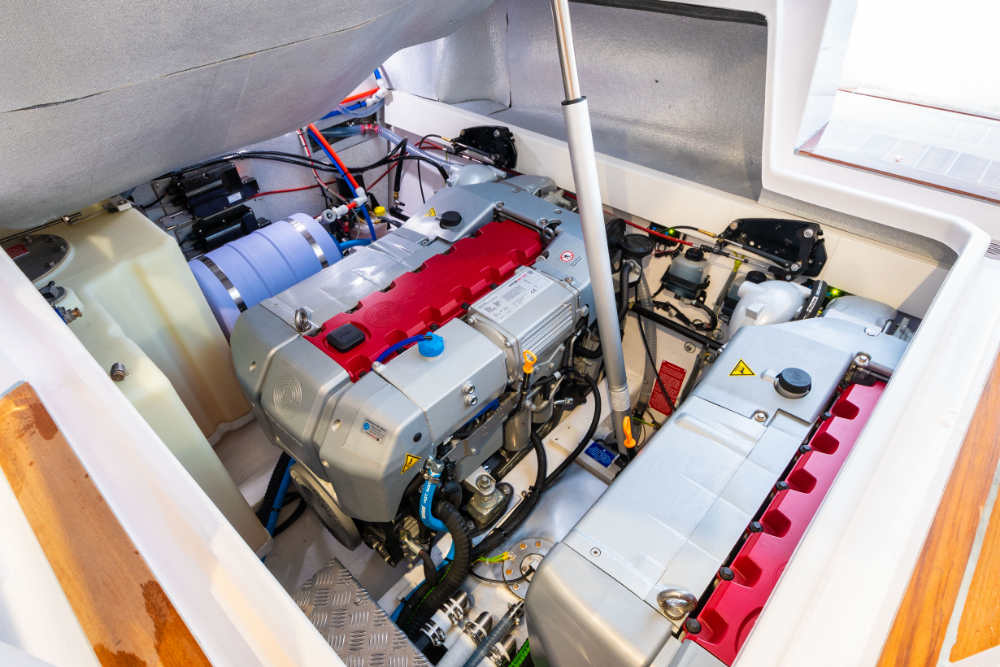
[Image: A clean sailboat engine room showing a neatly installed diesel engine]
Image Caption: Proper engine selection balances power, weight, and dimensions for your specific sailboat and sailing needs.
Selecting the right auxiliary engine for your sailboat is one of the most critical decisions a boat owner can make. The perfect engine provides reliable power when you need it while complementing your vessel’s sailing characteristics rather than compromising them. At Wave Inboard Motors, our 15 years of experience with 【Marine Engine Installation Services】 for sailboats of all sizes has taught us that the “best” engine is the one that perfectly matches your boat, your sailing style, and your cruising plans.
This comprehensive guide will walk you through the key considerations for sailboat engine selection, from calculating your power needs to understanding the trade-offs between different engine technologies and brands. Whether you’re repowering an older vessel or specifying power for a new build, making an informed decision will ensure years of reliable service and enjoyable sailing.
Step 1: Calculate Your Power Requirements
Horsepower Calculation Formula
Basic Formula: HP = (Displacement in lbs ÷ 1000) × 2.5 to 4
Factors Influencing the Multiplier:
-
2.5: Light displacement, efficient hulls, coastal cruising
-
3.0: Average displacement, mixed coastal/offshore use
-
3.5: Heavy displacement, high-latitude sailing, frequent motoring
-
4.0: Full-keel heavy displacement, world cruising, tradewind routes
Real-World Examples
| Boat Type | Length | Displacement | Recommended HP |
|---|---|---|---|
| Light Coastal Cruiser | 35′ | 12,000 lbs | 30-40 hp |
| Moderate Bluewater | 40′ | 22,000 lbs | 55-65 hp |
| Heavy Displacement | 45′ | 30,000 lbs | 75-85 hp |
Step 2: Engine Technology Comparison
| Feature | Traditional Mechanical | Modern Common Rail | Hybrid Systems |
|---|---|---|---|
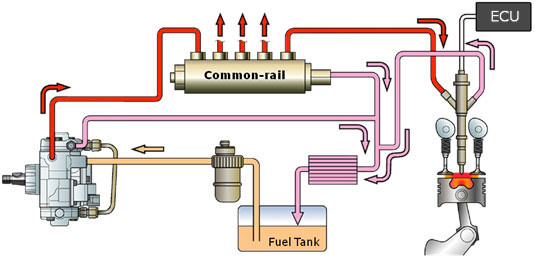
| Best For | Budget-conscious, remote cruising | Performance, efficiency | Eco-conscious, quiet operation |
| Reliability | Excellent | Very Good | Moderate |
| Fuel Efficiency | Good | Excellent | Exceptional |
| Noise/Vibration | Moderate | Low | Lowest |
| Service Requirements | Field-serviceable | Professional required | Specialist required |
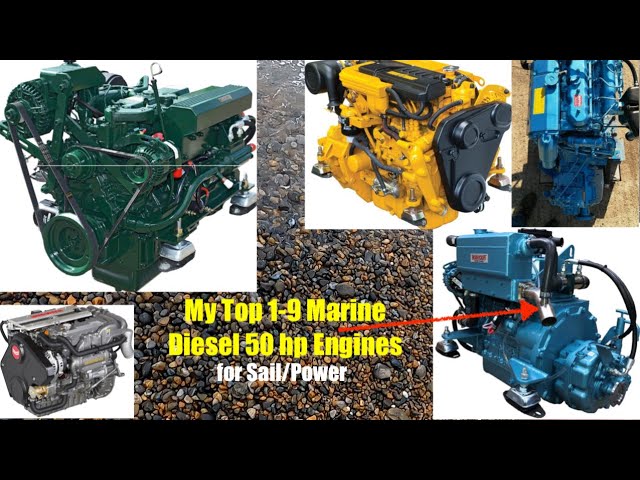
| Examples | 【Perkins M92B】 | 【Volvo Penta D2-75】 | Various |
Step 3: Key Selection Factors
Physical Dimensions & Weight
-
Engine Room Size: Measure carefully – include service access
-
Weight Distribution: Avoid affecting sail trim
-
Shaft Alignment: Critical for vibration-free operation
-
Installation Complexity: 【Marine Engine Installation Services】 can assess feasibility
Transmission Options
-
Traditional Shaft: Simple, reliable, efficient
-
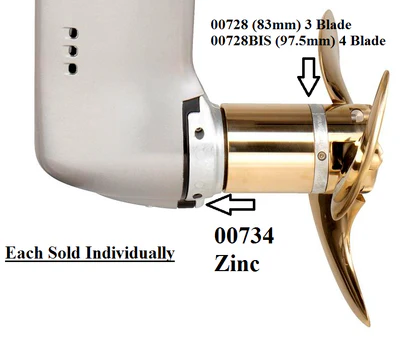
Saildrive: Compact, excellent thrust, corrosion concerns
-
V-Drive: Allows aft engine placement
-
Hybrid Systems: Regenerative capabilities
Electrical Capacity
-
Alternator Output: Match to your electrical demands
-
House Bank Charging: Consider high-output alternators
-
Additional Loads: Watermakers, air conditioning, refrigeration
Step 4: Popular Sailboat Engine Comparison
| Engine Model | Power | Weight | Technology | Best For |
|---|---|---|---|---|
| Yanmar 4JH57 | 57 hp | 485 lbs | Mechanical | 35-40′ coastal cruisers |
| Volvo Penta D2-75 | 75 hp | 507 lbs | Common Rail | 38-45′ performance cruisers |
| Beta Marine 60 | 60 hp | 595 lbs | Kubota Base | 36-42′ traditional yachts |
| Vetus VH4.65 | 65 hp | 418 lbs | Mitsubishi Base | 35-40′ weight-sensitive boats |
| Yanmar 4JH80 | 80 hp | 617 lbs | Common Rail | 42-48′ bluewater yachts |
Step 5: Installation Considerations
Professional Assessment
-
Engine Bed Condition: Structural integrity evaluation
-
Shaft/Propeller Matching: Optimal size and pitch calculations
-
Exhaust System: Proper water injection and routing
-
Fuel System: Tank condition and line routing
-
Electrical Integration: Charging and control systems
Common Installation Challenges
-
Limited Access: Engine room dimensions and hatches
-
Weight Distribution: Avoiding adverse trim changes
-
Vibration Control: Proper mounting and alignment
-
Systems Integration: Ensuring all components work harmoniously
Step 6: Budget & Long-term Costs
Initial Investment Breakdown
| Component | Typical Cost Range |
|---|---|
| Base Engine | $12,000 – $25,000 |
| Transmission | $3,000 – $6,000 |
| Controls & Instruments | $1,500 – $3,000 |
| Installation Labor | $5,000 – $15,000 |
| Ancillary Systems | $2,000 – $5,000 |
Ongoing Operating Costs
-
Fuel Consumption: Modern engines 30-50% more efficient
-
Maintenance: 【Scheduled Marine Diesel Maintenance】 costs
-
Parts Availability: Global support network importance
-
Resale Value: Quality installation maintains boat value
Frequently Asked Questions (FAQ)
Q1: How much horsepower do I really need for my 40-foot sailboat?
A: For a typical 40-foot cruiser displacing 20,000-25,000 lbs, 50-75 hp is ideal. The exact requirement depends on hull form, displacement, and typical sailing conditions. Our 【Marine Engine Diagnostic Service】 can provide specific recommendations.
Q2: Is a saildrive better than a traditional shaft for sailboats?
A: Saildrives offer excellent thrust and compact installation but require careful maintenance to prevent corrosion. Traditional shafts are simpler and more robust. The choice depends on your boat’s design and your maintenance preferences.
Q3: How important is engine weight for sailing performance?
A: Critical. Excess weight, particularly high in the boat or far from the center of gravity, can significantly impact stability and motion. The 【Vetus VH4.65】 exemplifies good power-to-weight ratio for sailboats.
Q4: What’s the realistic service life of a modern sailboat diesel?
A: With proper 【Scheduled Marine Diesel Maintenance】:
-
8,000-10,000 hours for modern electronic engines
-
10,000-12,000+ hours for mechanical engines
-
15+ years of typical cruising use
Q5: Can I install a larger engine than originally specified?
A: Possible but requires careful consideration of:
-
Structural capacity of engine beds
-
Weight and balance implications
-
Propeller and transmission matching
-
Often not recommended unless specifically needed
Q6: How do I choose between mechanical and electronic engines?
A: Choose mechanical if: You cruise remotely, prefer DIY maintenance, prioritize simplicity. Choose electronic if: You value fuel efficiency, quiet operation, and easy starting.
Q7: What warranty should I expect with a new sailboat engine?
A: Most manufacturers offer 3-5 year warranties when installed by certified professionals. Ensure your installer provides warranty registration and proper documentation.
Q8: How long does a typical sailboat repower take?
A: Professional 【Marine Engine Repowering Solutions】 typically require 3-6 weeks from removal to sea trials, depending on complexity and any additional systems upgrades.
Q9: What about hybrid or electric propulsion for sailboats?
A: Excellent for certain applications:
-
Good for: Day sailors, coastal cruisers with shore power
-
Less ideal for: Bluewater passages, high electrical loads
-
Consider: Your typical usage pattern and electrical needs
Q10: How do I maintain my new engine properly?
A: Follow manufacturer guidelines and establish a 【Scheduled Marine Diesel Maintenance】 program including:
-
Regular oil and filter changes
-
Fuel system maintenance
-
Cooling system service
-
Annual comprehensive inspection
Conclusion: Making Your Decision
Choosing the right sailboat engine involves balancing multiple factors including your boat’s characteristics, your sailing style, and your budget. The perfect engine should:
-
Provide adequate power for your worst-case conditions
-
Fit physically in your engine space with proper service access
-
Match your technical comfort level for maintenance
-
Support your electrical needs for comfortable cruising
-
Represent good value over its entire service life
Ready to select your perfect sailboat engine? Contact Wave Inboard Motors for a professional 【Marine Engine Diagnostic Service】 and personalized recommendations based on 15 years of sailboat repowering experience.
Authority-Building Internal Links
Link to Services:
-
Professional 【Marine Engine Installation Services】 for sailboats
-
Explore our 【Marine Engine Repowering Solutions】
-
Maintain reliability with 【Scheduled Marine Diesel Maintenance】
-
Trust our 【Marine Engine Diagnostic Service】 for expert advice
Link to Information:
-
Learn about 【Understanding Common Rail Diesel Systems】
-
Compare options in 【Volvo Penta D2-75 Engine Review】
-
Read our 【Sailboat Engine Maintenance Guide】
-
Calculate costs with 【Calculating the True Cost of a Marine Repower】