


Small Marine Diesel Selection Guide: 10-150hp
Choosing the perfect diesel power for small craft, workboats, and auxiliary applications
Introduction
[Image: A compact marine diesel engine neatly installed in a small boat engine compartment]
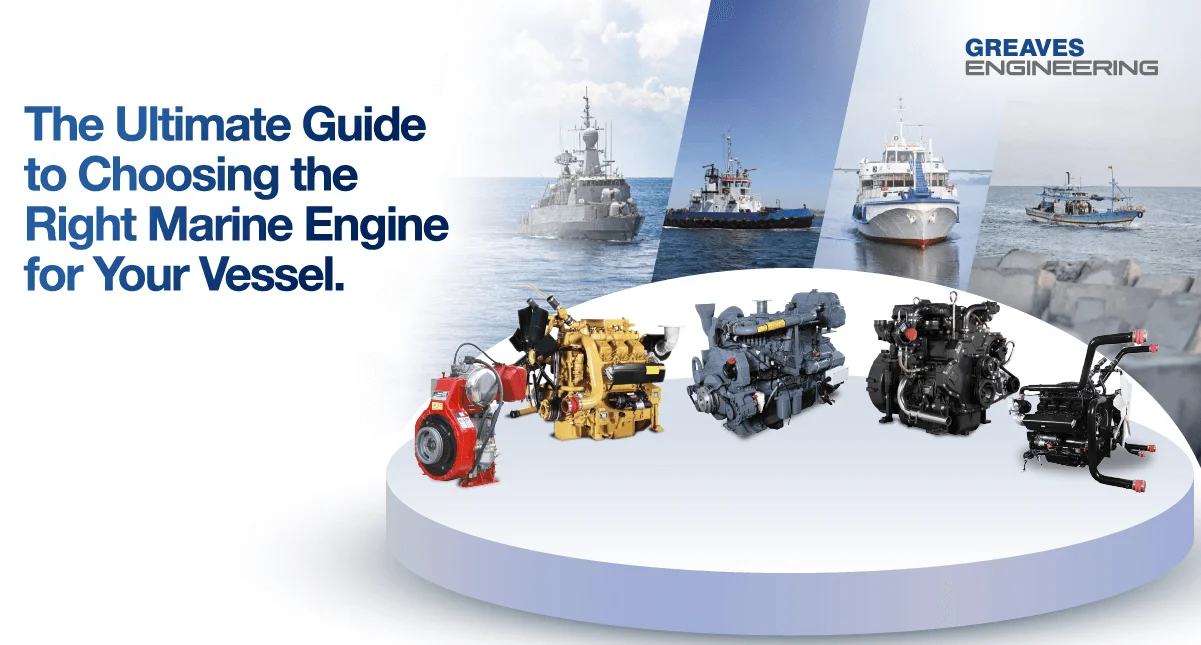
Image Caption: Proper engine selection balances power, dimensions, and features for your specific vessel and usage patterns.
Selecting the right small marine diesel engine requires careful consideration of your vessel’s characteristics, intended use, and operational requirements. The “perfect” engine provides adequate power while fitting within your boat’s physical constraints and matching your technical comfort level for maintenance. At Wave Inboard Motors, our 15 years of experience with 【Marine Engine Installation Services】 has taught us that successful small diesel selection involves balancing multiple factors to find the optimal solution for each unique application.
This guide focuses on engines from 10-150 horsepower, covering everything from small tenders and fishing boats to auxiliary sailboat power and compact workboats. Whether you’re powering a new build or considering 【Marine Engine Repowering Solutions】, understanding these key selection factors will ensure you choose an engine that delivers years of reliable service.
Step 1: Determine Your Power Requirements
Horsepower Calculation Methods
For Displacement Hulls:
HP = (Displacement in lbs ÷ 1000) × 3 to 5
-
3-4 HP/ton: Adequate for calm waters, minimal current
-
4-5 HP/ton: Good performance in varied conditions
-
5+ HP/ton: Strong performance, heavy weather capability
For Planing Hulls:
1 HP per 25-40 lbs of total weight (boat + load)
-
25-30 lbs/HP: Good performance
-
30-35 lbs/HP: Average performance
-
35-40 lbs/HP: Economy operation
Power Requirement Examples
| Boat Type | Length | Weight | Recommended HP |
|---|---|---|---|
| Small Tender | 18-22′ | 2,000-3,000 lbs | 25-40 hp |
| Fishing Boat | 25-28′ | 5,000-7,000 lbs | 90-130 hp |
| Sailboat Auxiliary | 35-40′ | 15,000-20,000 lbs | 40-75 hp |
| Workboat | 30-35′ | 8,000-12,000 lbs | 120-150 hp |
Step 2: Engine Technology Comparison
| Technology | Mechanical Injection | Common Rail Electronic | Advanced Electronic |
|---|---|---|---|
| Best For | Simple operation, remote areas | Fuel efficiency, smooth operation | Maximum performance, low emissions |
| Reliability | Excellent | Very Good | Very Good |
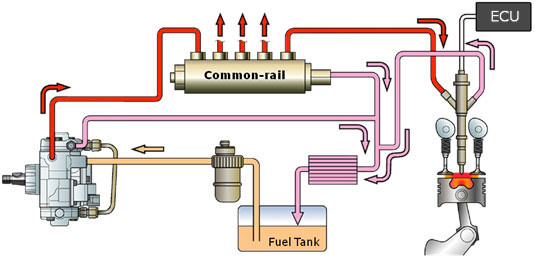
| Fuel Efficiency | Good | Excellent (15-30% better) | Excellent |
| Noise/Vibration | Moderate | Low | Lowest |
| Service Needs | Field-serviceable | Professional required | Specialist required |
| Cost | Lower | Moderate | Higher |
Step 3: Key Selection Factors
Physical Constraints
-
Engine Room Dimensions: Length, width, height clearance
-
Service Access: Room for routine maintenance
-
Weight Distribution: Impact on boat trim and stability
-
Shaft Angle: Compatibility with hull design
Transmission Options
-
Direct Drive: Simple, efficient, traditional
-
Saildrive: Compact, excellent maneuverability
-
V-Drive: Flexible engine placement
-
Jet Drive: Shallow water operation
Electrical Requirements
-
Alternator Output: Match to electrical loads
-
Battery Charging: High-output alternator needs
-
Additional Loads: Hydraulic systems, bow thrusters
-
Future Expansion: Planning for added equipment
Step 4: Popular Small Diesel Engine Comparison
| Engine Model | Power | Weight | Technology | Best Application |
|---|---|---|---|---|
| Yanmar 4JH57 | 57 hp | 485 lbs | Common Rail | 35-40′ sailboats, small workboats |
| Volvo Penta D2-75 | 75 hp | 507 lbs | Common Rail | 38-45′ sailboats, planing hulls |
| Vetus VH4.65 | 65 hp | 418 lbs | Mechanical | 35-40′ weight-sensitive boats |
| Beta Marine 60 | 60 hp | 595 lbs | Kubota Base | 36-42′ traditional yachts |
| Yanmar 4JH80 | 80 hp | 617 lbs | Common Rail | 40-48′ vessels, heavy workboats |
Step 5: Brand-Specific Considerations
Yanmar
-
Strengths: Global support, proven reliability
-
Considerations: Premium pricing
-
Best For: Bluewater cruising, commercial use
Volvo Penta
-
Strengths: Advanced electronics, excellent parts network
-
Considerations: Higher parts costs
-
Best For: Performance vessels, easy operation
Vetus
-
Strengths: Value pricing, compact designs
-
Considerations: Less dealer support in some areas
-
Best For: Budget-conscious owners, space-limited installations
Beta Marine
-
Strengths: Kubota reliability, customizable installations
-
Considerations: Industrial character
-
Best For: Traditional boats, remote cruising
Step 6: Installation & Integration
Professional Installation Factors
-
Engine Bed Design: Proper support and alignment
-
Shaft/Propeller Matching: Optimal performance
-
Exhaust System: Safe, efficient routing
-
Fuel System: Clean, reliable supply
-
Electrical Integration: Proper charging and control
Common Installation Challenges
-
Limited Space: Creative solutions required
-
Weight Distribution: Maintaining proper trim
-
Vibration Control: Proper mounting essential
-
Systems Integration: Ensuring all components work together
Step 7: Operating Cost Analysis
Initial Investment
| Component | Cost Range |
|---|---|
| Base Engine | $8,000 – $25,000 |
| Transmission | $2,000 – $6,000 |
| Controls & Instruments | $1,000 – $3,000 |
| Installation Labor | $3,000 – $12,000 |
| Ancillary Systems | $1,000 – $4,000 |
Long-term Costs
-
Fuel Consumption: Modern engines 20-40% more efficient
-
Maintenance: 【Scheduled Marine Diesel Maintenance】 requirements
-
Parts Availability: Global support importance
-
Resale Value: Quality installations maintain value
Frequently Asked Questions (FAQ)
Q1: How much horsepower do I need for my 25-foot fishing boat?
A: For a 25-foot planing hull weighing 5,000-6,000 lbs loaded, 90-120 hp provides good performance. Consider 75-90 hp for economy or 120-150 hp for maximum performance.
Q2: What’s better for a sailboat: traditional shaft or saildrive?
A: Saildrive offers better maneuverability and compact installation. Traditional shaft provides simplicity and proven reliability. Choice depends on your priorities and boat design.
Q3: How important is engine weight for small boats?
A: Critical. Excess weight affects performance, stability, and fuel economy. The 【Vetus VH4.65】 at 418 lbs offers excellent power-to-weight ratio for sensitive applications.
Q4: What’s the realistic service life of a small marine diesel?
A: With proper 【Scheduled Marine Diesel Maintenance】:
-
8,000-10,000 hours for modern electronic engines
-
10,000-12,000 hours for mechanical engines
-
15-20 years of typical recreational use
Q5: Can I install a larger engine than originally specified?
A: Possible but requires consideration of:
-
Structural capacity of engine beds
-
Weight and balance impact
-
Propeller and transmission matching
-
Insurance and certification implications
Q6: Should I choose mechanical or electronic injection?
A: Mechanical if you cruise remotely or prefer DIY maintenance. Electronic if you value fuel efficiency, quiet operation, and easy starting.
Q7: What warranty should I expect?
A: Most manufacturers offer 3-5 year warranties when installed by certified professionals. Ensure proper registration and documentation.
Q8: How long does a typical small boat repower take?
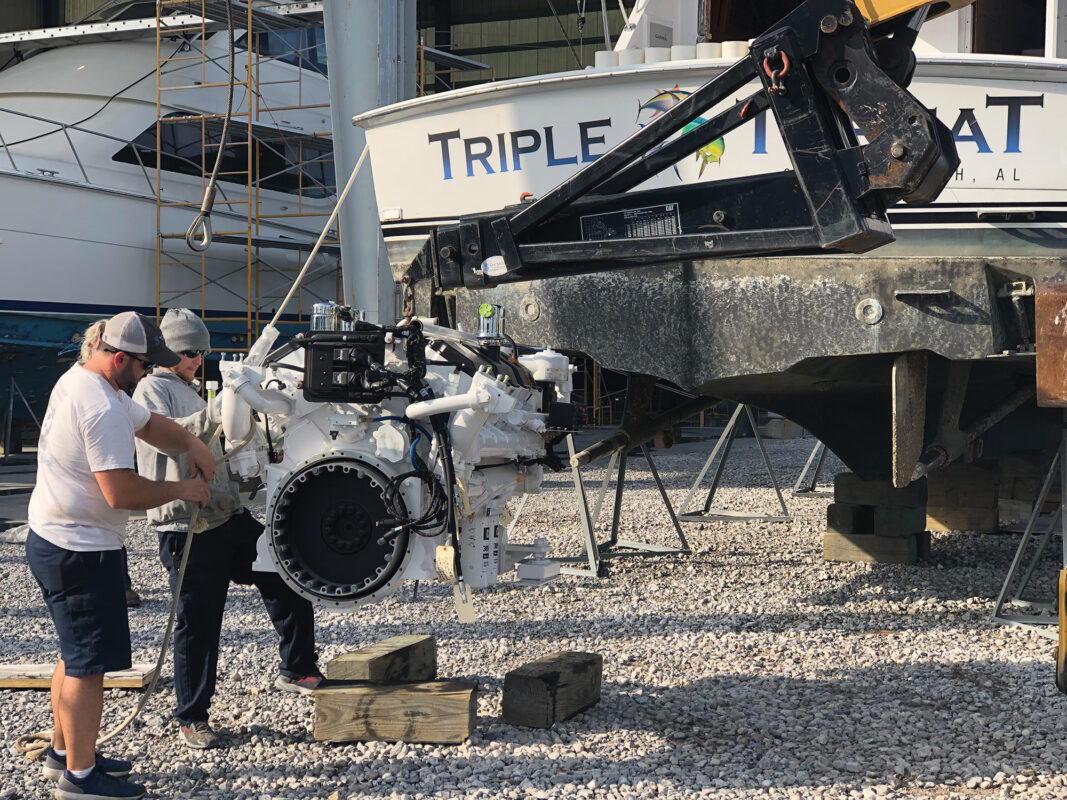
A: Professional 【Marine Engine Repowering Solutions】 typically require 2-4 weeks from removal to sea trials, depending on complexity.
Q9: What about emissions compliance for small diesels?
A: Modern engines meet IMO Tier 2 or 3 standards. Ensure your selection complies with local regulations and future requirements.
Q10: How do I maintain my new engine properly?
A: Follow manufacturer guidelines and establish a 【Scheduled Marine Diesel Maintenance】 program including:
-
Regular oil and filter changes
-
Fuel system maintenance
-
Cooling system service
-
Annual comprehensive inspection
Conclusion: Making Your Selection
Choosing the right small marine diesel involves balancing:
-
Adequate power for your operating conditions
-
Proper fit within your boat’s physical constraints
-
Appropriate technology for your maintenance capabilities
-
Sufficient electrical capacity for your needs
-
Good value over the engine’s service life
Need professional guidance? Contact Wave Inboard Motors for a 【Marine Engine Diagnostic Service】 and personalized recommendations based on 15 years of small diesel experience.
Authority-Building Internal Links
Link to Services:
-
Professional 【Marine Engine Installation Services】
-
Explore our 【Marine Engine Repowering Solutions】
-
Maintain reliability with 【Scheduled Marine Diesel Maintenance】
-
Trust our 【Marine Engine Diagnostic Service】
Link to Information:
-
Learn about 【Understanding Common Rail Diesel Systems】
-
Compare options in 【Sailboat Engine Selection Guide】
-
Read our 【Understanding Marine Engine Marinization】
-
Calculate costs with 【Calculating the True Cost of a Marine Repower】