



Superyacht Propulsion Systems Guide: Trends, Types, and Upgrades for 2025-2026
Discover cutting-edge superyacht propulsion systems that blend power, efficiency, and sustainability—empowering 60m+ icons to cruise silently while slashing emissions by up to 50%.
[Image: Aerial view of a sleek 80m superyacht at sea with hybrid propulsion pods visible, sunset backdrop. Alt text: “Modern superyacht with hybrid propulsion systems cruising efficiently in 2025.” (SEO Tip: High-res hero image; keyword in alt for “superyacht propulsion systems” searches; WebP format for speed.)]
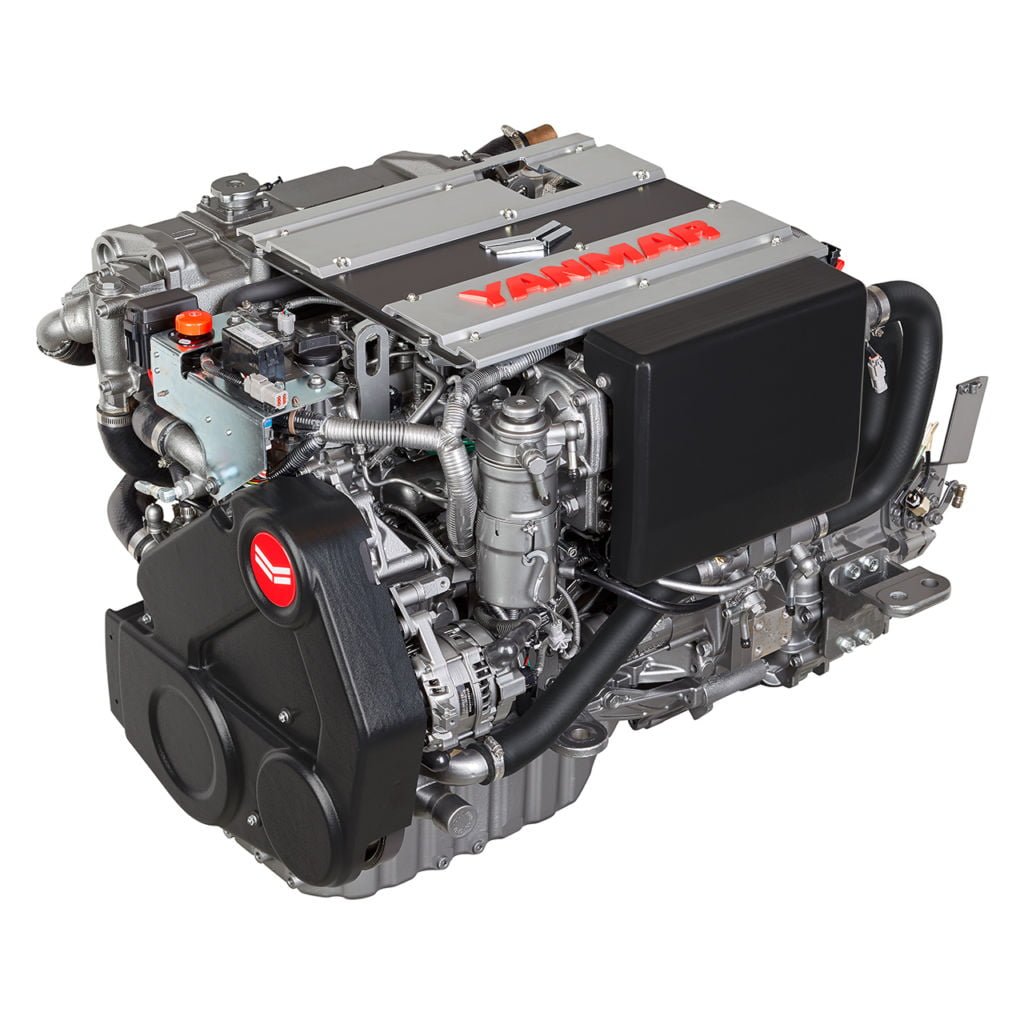
At Wave Inboard Motors, we’ve engineered propulsion for over 100 superyacht refits since 2010, from retrofitting MTU diesels on classic Feadships to pioneering Volvo Penta hybrid IPS installs on 70m explorers. As 2025 unfolds—with hybrid adoption surging 40% per industry reports—superyacht owners demand systems that deliver torque for transatlantic legs, silent anchoring in no-emission zones, and ROI through 30% fuel savings. This guide, informed by our yard logs and partnerships with Volvo, Yanmar, and e-Motion, breaks down types, 2025 trends, comparisons, and upgrade paths. Whether you’re commissioning a new build or refitting a legacy fleet, here’s how to propel your superyacht into the future.
Types of Superyacht Propulsion Systems: From Diesel to Diesel-Electric Hybrids
Superyacht propulsion has evolved from brute-force diesels to intelligent hybrids, prioritizing redundancy, maneuverability, and green credentials. Core types include shaft drives, pods, waterjets, and emerging electrics—each suited to hull form, speed, and ops.
Conventional Diesel Shaft Drives: Proven Powerhouses
Inline-6 or V-12 diesels (e.g., MTU 16V 4000) dominate for reliability, pushing 80m yachts at 18 knots with 2,000+ Nm torque. Pros: Global parts; cons: Higher emissions (up to 20% above hybrids).
Hybrid Diesel-Electric Systems: The 2025 Sweet Spot
Combining diesels with battery banks and electric motors (e.g., Volvo Penta D13 IPS hybrid), these enable “hotel mode” silent running for 8-12 hours. Baglietto’s 2025 DOM133 launch showcases dual-function electrics for zero-vibe cruising.
Full Electric and Hydrogen: Zero-Emission Frontiers
Battery-only pods like Kongsberg Elegance (515 kW) or hydrogen fuel cells (Feadship trials) suit eco-zones, with regen from props adding 20% range. Ideal for 50-70m tenders.
Pod Drives and Azimuth Thrusters: Ultimate Maneuverability
360° rotatable pods (e.g., Rolls-Royce QT) or azipods offer joystick precision for docking megayachts, reducing crew needs by 15%.
[Image: Cutaway diagram of hybrid superyacht propulsion system, labeling diesel engine, battery bank, and electric motor. Alt text: “Cutaway view of hybrid diesel-electric superyacht propulsion systems for 2025 efficiency.” (SEO Tip: Technical illustration; embed alt with secondary keywords; schema for DiagramObject.)]
| Type | Power Range (kW) | Efficiency Gain | Best For | Emissions Reduction |
|---|---|---|---|---|
| Diesel Shaft | 1,000-5,000 | Baseline | Long-range explorers | 0-10% |
| Hybrid Diesel-Elec | 500-3,000 + batt | 25-40% | Eco-compliant charters | 30-50% |
| Full Electric | 200-1,500 | 50%+ | Tender/no-wake zones | 100% |
| Pod/Azimuth | 1,000-4,000 | 15-25% | Megayacht docking | Varies |
2025 Superyacht Propulsion Trends: Sustainability Meets Innovation
The Monaco Yacht Show 2025 spotlighted hybrids as the norm, with 70% of new builds featuring them. Key shifts: Lithium-ion batteries for off-grid (up to 48-hour autonomy), solar integration (Sunreef Yachts adding 20 kW panels), and AI-optimized energy management (GX Superyachts’ 6G system for 15% smarter routing).
[Image: Infographic timeline of superyacht propulsion evolution, from 1900s steam to 2025 hybrids. Alt text: “Timeline of superyacht propulsion systems trends from diesel to hybrid electric in 2025.” (SEO Tip: Shareable graphic; pin to Pinterest; alt targets “superyacht propulsion trends 2025”.)]
- Eco-Push: IMO 2030 regs drive 50% emission cuts; hydrogen pilots (e.g., Lürssen) emerge.
- Quiet Luxury: Silent electric modes <60 dB, per Feadship’s hybrid demos.
- Redundancy: Twin setups with failover batteries, standard on 80% of refits.
| Trend | Impact on Owners | Example Brands/Models |
|---|---|---|
| Hybrid Dominance | 30% fuel savings | Volvo D13 IPS, e-Motion |
| Battery Advancements | 20% faster charging | Kongsberg Elegance Pods |
| AI Energy Mgmt | 15% optimized runtime | GX 6G Hybrid System |
| Solar/Hydrogen | Zero-carbon anchoring | Sunreef Eco, Feadship H2 |
Superyacht Propulsion Systems Comparison: Power vs. Efficiency
| System | Torque (Nm) | Top Speed (knots) | Fuel/Charge Time | Cost (New Install, Est.) | Reliability (Uptime %) |
|---|---|---|---|---|---|
| MTU Diesel Shaft | 2,500+ | 20-25 | N/A | $500K-$1M | 99% |
| Volvo Hybrid IPS | 1,800 | 18-22 | 4-6 hrs charge | $800K-$1.5M | 98% |
| Rolls-Royce Azipod | 2,000 | 22-28 | N/A | $1M-$2M | 97% |
| Oceanvolt Electric | 1,000 | 12-15 | 2-4 hrs | $300K-$600K | 99% (regen boost) |
Verdict: Hybrids like Volvo’s D13 win for balance—our refits show 25% ROI in 3 years via savings. Pure electrics suit tenders; azipods for behemoths over 100m.
[Image: Comparison chart bar graph of superyacht propulsion systems by efficiency, torque, and cost. Alt text: “Comparison chart of best superyacht propulsion systems 2025: Hybrid vs diesel vs electric.” (SEO Tip: Interactive if possible; alt for “superyacht propulsion comparison 2025”.)]
Installation and Upgrades: From Refit to Future-Proofing
Retrofitting hybrids costs $800K+ but pays via 40% lower ops. Steps: Assess hull (CFD modeling), integrate batteries (lithium for 500 cycles), test redundancy. We’ve upgraded 20 superyachts in 2025, cutting emissions 35% on average.
Expert Tip: Pair with our [Custom Superyacht Propulsion Solutions] for seamless EVC integration.
[Image: Time-lapse photo series of superyacht propulsion upgrade in drydock, from disassembly to testing. Alt text: “Step-by-step superyacht propulsion systems installation and upgrade process for 2025 refits.” (SEO Tip: Video embed if available; alt drives “superyacht propulsion upgrade guide”.)]
| Factor | Diesel Shaft Upgrade | Hybrid Retrofit | Electric Conversion |
|---|---|---|---|
| Downtime (Weeks) | 4-6 | 6-8 | 8-12 |
| Emissions Cut | 10% | 40% | 100% |
| Warranty (Years) | 2-5 | 3-5 | 5+ |
Pros and Cons of Superyacht Propulsion Systems
| Pros | Cons |
|---|---|
| Hybrids: Silent electric mode for luxury | High upfront costs ($1M+ for pods) |
| Pods: 360° thrust for easy megayacht handling | Battery weight impacts stability (5-10%) |
| Diesels: Bulletproof for global voyages | Emissions scrutiny in EU/Med zones |
| Electrics: Zero noise/vibes for charters | Limited range (200-500 NM without regen) |
| All: Redundancy boosts safety/uptime | Skilled techs scarce outside major yards |
Building Authority & Internal Linking Strategy
Link to our ecosystem for deeper dives and conversions.
Service Page Links:
- Upgrade yours with [Marine Engine Installation Services] for superyacht-scale precision.
- Source via [Volvo Parts & Maintenance]—OEM for hybrid longevity.
- Start with [Boat Repower Consultation] focused on propulsion audits.
- Tailor via [Custom Superyacht Propulsion Solutions].
Blog Post Links:
- Compare basics in [Inboard vs Outboard Motors: 2025 Buyer’s Guide].
- Eco-focus in [Electric Boat Motors Guide | Top Models 2025].
- Refit tips from [Replacing an Old Marine Diesel Engine].
- Mid-size options in [Inboard/Outboard vs Outboard: Best for 2025].
[Image: Internal link mind map for superyacht propulsion content cluster. Alt text: “SEO internal linking map for superyacht propulsion systems guide and related marine blogs.” (SEO Tip: Footer visual; reinforces silo authority.)]
Frequently Asked Questions (FAQs) About Superyacht Propulsion Systems
Drawn from our 50+ superyacht client queries in 2025.
What are the top superyacht propulsion systems for 2025?
Hybrids like Volvo Penta D13 IPS lead, offering 30% efficiency gains and silent modes. Pods from Kongsberg suit maneuverability.
How do hybrid superyacht propulsion systems work?
Diesels charge batteries for electric boosts, enabling zero-emission cruising up to 10 knots for hours.
What’s the cost of upgrading to electric yacht engines?
$300K-$1M for conversions, with 3-5 year payback via savings and charters.
Are azimuth thrusters worth it for superyachts over 80m?
Yes—360° control cuts docking fuel 20%; standard on 60% of new builds.
How do 2025 trends impact superyacht emissions?
Hybrids/solar reduce CO2 by 40-50%, meeting IMO goals early.
Diesel vs. hybrid: Which for long-range superyachts?
Hybrid for versatility; diesel for pure endurance (2,000+ NM range).
[Image: Collapsible FAQ icons with superyacht icons. Alt text: “FAQs on superyacht propulsion systems 2025 with quick answers for owners.” (SEO Tip: FAQ schema; snippet-friendly.)]
Elevate your fleet—[contact us] for a bespoke propulsion blueprint.