



Choosing the Right HP for Your Sailboat Repower: An Expert Guide
How to Avoid Over-Powering or Under-Powering Your Vessel
Deciding to repower your sailboat is a significant investment. While brand, price, and features are important, the most critical question is often the most basic: How much horsepower do I actually need?
At Wave Inboard Motors, we’ve seen the consequences of getting this wrong. An under-powered boat struggles in currents and headwinds, turning a pleasant sail into a stressful ordeal. An over-powered engine is an expensive waste—it adds unnecessary weight, consumes more fuel, and can put undue stress on your drivetrain.
This guide will walk you through the proven methods and key considerations our marine mechanics use to ensure you select the perfect horsepower for your sailboat repower.
The Gold Standard Rule: 1 HP per 500 lbs Displacement
The most reliable starting point for auxiliary sailboats is a simple rule of thumb:
-
Displacement (in lbs) / 500 = Recommended Horsepower
Example Calculation:
-
Your boat’s displacement: 15,000 lbs
-
Calculation: 15,000 / 500 = 30 HP
-
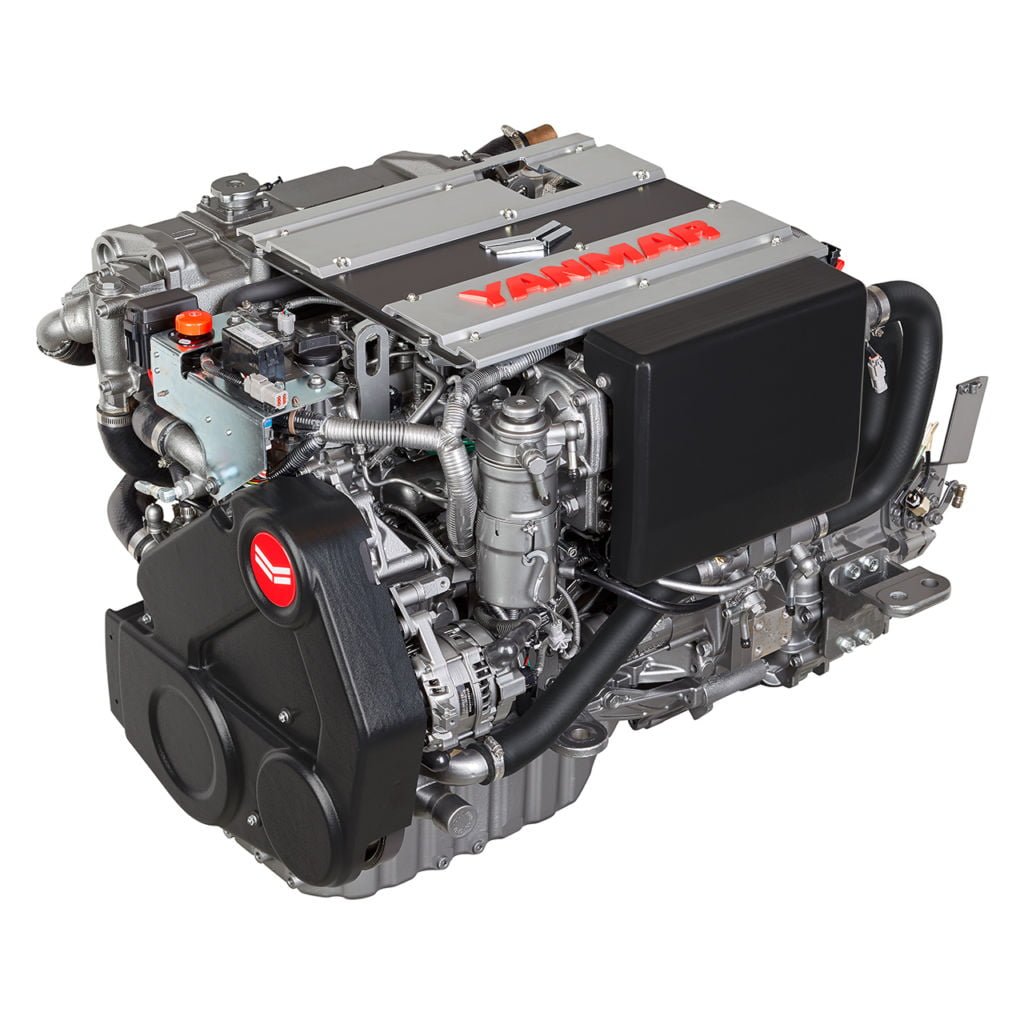
Recommended Engine: A 30hp marine diesel engine like the Yanmar 3YM30 or Volvo Penta D1-30.
This formula consistently provides enough power to maintain hull speed in calm conditions while retaining a comfortable reserve for fighting strong currents and winds.
Key Factors That Refine Your Choice
While the rule of thumb is excellent, consider these factors to fine-tune your decision:
1. Boat Type and Sailing Grounds:
-
Coastal Cruiser: The standard 1 HP per 500 lbs is usually sufficient.
-
Bluewater Cruiser: Consider a slightly more powerful engine (e.g., 1 HP per 450 lbs) for dealing with unpredictable ocean conditions and strong currents.
-
High-Performance Lightweight Racer: Can often get away with less power (e.g., 1 HP per 600 lbs) due to less hull resistance.
2. Hull Type:
-
Full-Keel / Heavy Displacement: These hulls have more drag and require more power to push through the water. Lean toward the higher end of the range.
-
Fin-Keel / Light Displacement: Slipperier hulls require less power. You can lean toward the lower end of the range.
3. Propeller Type:
-
Fixed 2-Blade: Least efficient. You may need a slight power bump to achieve equivalent thrust.
-
Folding / Feathering 3-Blade: Most efficient. Maximizes thrust from your engine’s horsepower, meaning you can often use the calculated power exactly.
4. Electrical Load:
-
Will you be running a high-output alternator for a large battery bank? While this doesn’t directly affect propulsion HP, it adds load to the engine. This isn’t a reason to get a massively bigger engine, but it’s a reason not to choose one at the very bottom of your acceptable range.
The Dangers of Getting It Wrong
-
Too Much HP: Increased cost, higher fuel consumption, excess weight in the stern (which can hurt sailing performance), and potential over-propelling that strains the transmission.
-
Too Little HP: Inability to reach hull speed, struggling against wind and current, increased engine wear from constantly running at high RPMs, and potential safety issues in emergencies.
Expert Recommendation: Trust the Formula, Then Consult a Pro
The displacement-based formula is incredibly effective for 90% of sailboats. Start there.
Once you have a target horsepower, your next step is to look at the physical dimensions of the engines in that class. A modern 30hp marine diesel engine is often more compact and lighter than the 25hp engine it’s replacing from the 1980s.
This is where our expertise comes in. As part of our 【Sailboat Repower Service】 , we conduct a full site survey to ensure:
-
The new engine fits the existing space.
-
The mounting points align or can be easily adapted.
-
The shaft alignment is perfect.
-
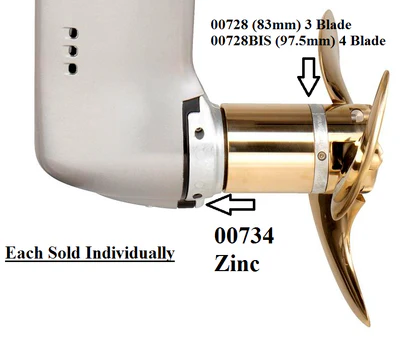
The engine is matched with the correct propeller.
A successful repower isn’t just about horsepower; it’s about the perfect integration of the entire system.
Ready to Find Your Perfect Engine?
Now that you understand how to find the right horsepower, explore some of the most popular options we install:
-
For Boats 25′-28′ (~8,000-12,000 lbs): 【Yanmar 2YM15】 (14.5 HP) or 【Volvo Penta D1-20】 (18 HP)
-
For Boats 29′-35′ (~12,000-18,000 lbs): 【Yanmar 3YM30】 (29 HP) or 【Volvo Penta D1-30】 (27 HP)
-
For Boats 36′-42′ (~18,000-25,000 lbs): 【Yanmar 3JH40】 (40 HP) or 【Beta Marine 43】 (43 HP)
Have More Questions? Let’s Talk Horsepower.
Still unsure? Don’t guess. An engine is too important and too expensive to get wrong.
Contact Wave Inboard Motors today for a free, no-obligation consultation. Our certified mechanics will help you calculate your perfect horsepower and guide you through the entire repower process.
Explore Our Related Services:
-
【Professional Marine Engine Installation】
-
【Marine Diesel Engine Repair】
-
【Annual Marine Engine Maintenance】
Continue Your Research:
-
【Yanmar vs. Volvo Penta: A Mechanic’s Comparison】
-
【5 Signs You Need a Marine Engine Repower】
-
【The Complete Guide to Marine Engine Repower】