


The High-Performance Marine Repower Guide: Engineered for Speed, Efficiency, and Thrill
Go beyond a simple engine swap. Unlock your vessel’s true potential with a strategically planned performance upgrade.
Introduction
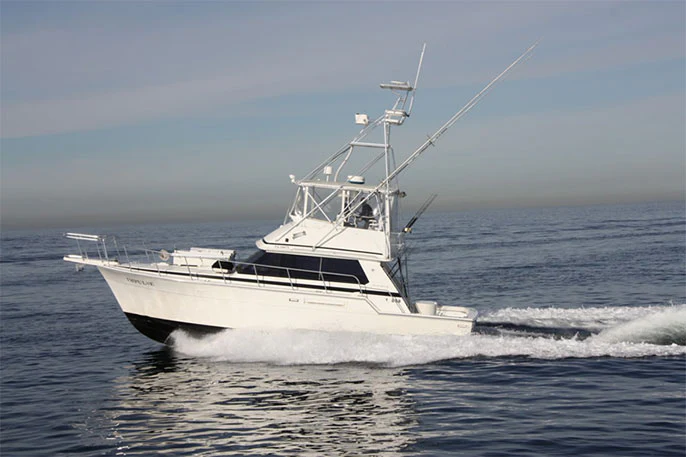
[Image: A dramatic, high-action shot of a high-performance center console or sportfish boat planing sharply and throwing a clean wake.]
Image Caption: A true high-performance repower transforms the entire character of your vessel, delivering sharper acceleration, higher top-end speed, and superior efficiency.
Is your boat not delivering the punch it once did? Are you being left behind at the helm or watching your fuel gauge drop faster than your competitors? A standard repower replaces what’s broken; a high-performance marine repower is a transformation. It’s a strategic project that redefines your vessel’s capabilities, focusing on power-to-weight ratios, advanced propulsion, and integrated systems.
At Wave Inboard Motors, we don’t just install engines; we engineer solutions. Our direct experience with high-speed vessels, from offshore sportfish to luxury performance yachts, informs our approach. We’ve managed complex 【Marine Engine Repowering Solutions】 that involve carbon fiber components, custom jack shafts, and integrated 【Pod Drive Installation & Service】. This guide walks you through the critical decisions that separate a simple engine swap from a genuine performance revolution.
Phase 1: The Performance Mindset – Key Concepts
Before looking at engines, you must understand the principles that govern high-performance on the water.
The Power-to-Weight Ratio: The Holy Grail
Every pound saved is a pound you don’t have to push. A high-performance repower isn’t just about adding horsepower; it’s about maximizing the ratio of horsepower to total weight. This means considering not just the engine’s dry weight, but also the weight of gearboxes, exhaust systems, and even the fuel required for a typical run.
[Image: An infographic comparing a heavy, iron-block engine to a modern, lightweight aluminum-block engine, showing a significant HP-to-Weight ratio difference.]
Image Caption: Switching to a modern, lightweight aluminum-block engine can be like removing several passengers from your boat, dramatically improving acceleration and top speed.
The Propulsion Equation: Inboard, Stern Drive, or Pod?
The engine is only half the story. How the power is delivered to the water is equally critical.
-
Traditional Inboard/Shaft: Robust and simple, but can have higher parasitic drag and less efficient thrust angles.
-
Stern Drive (I/O): Offers good efficiency and maneuverability but can be a limitation at the highest power levels.
-
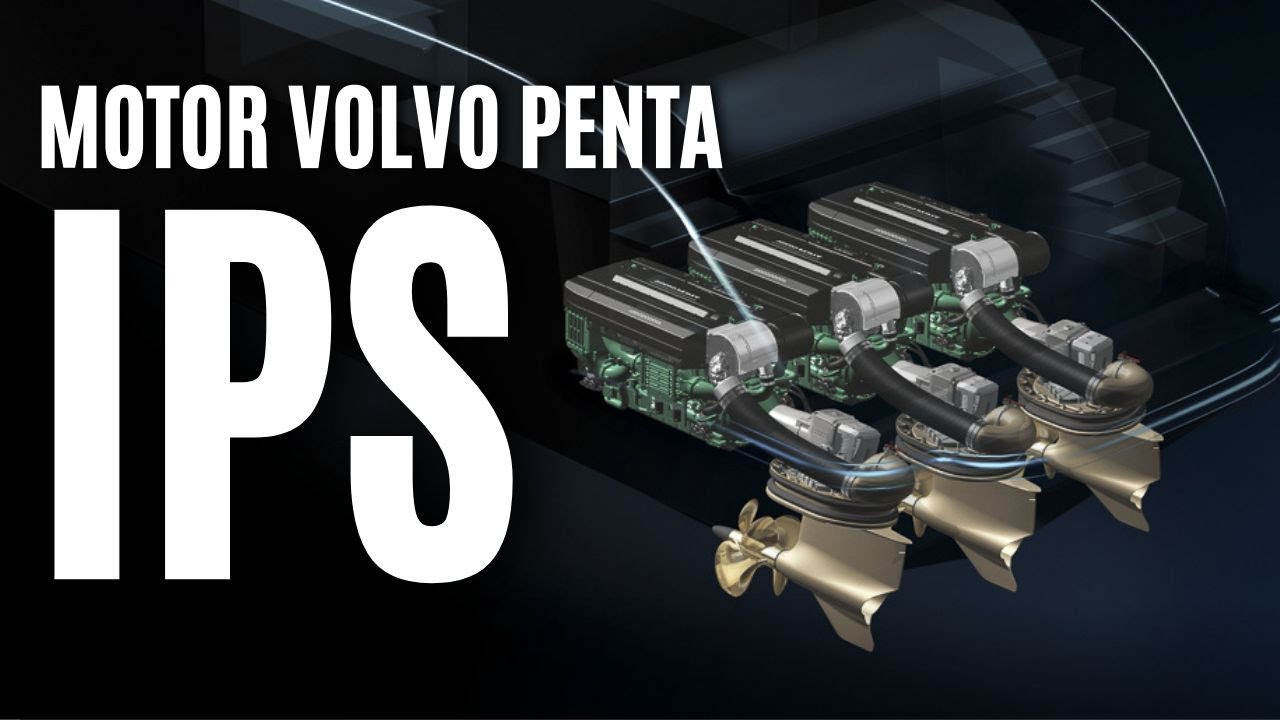
Pod Drives (Volvo Penta IPS, Zeus): The game-changer. Pods pull rather than push, operating in cleaner water. They offer unparalleled maneuverability, 10-30% better fuel efficiency, and reduced vibration and noise.
[Image: A clear diagram illustrating the thrust vectors of a traditional inboard (pushing at an angle) vs. a pod drive (pulling straight forward).]
Image Caption: Pod drives provide vectored thrust and operate in cleaner water flow, translating engine horsepower into forward motion more efficiently than traditional shafts.
Phase 2: Engine Selection – The Heart of the Upgrade
Gasoline vs. Diesel: The Performance Trade-Off
-
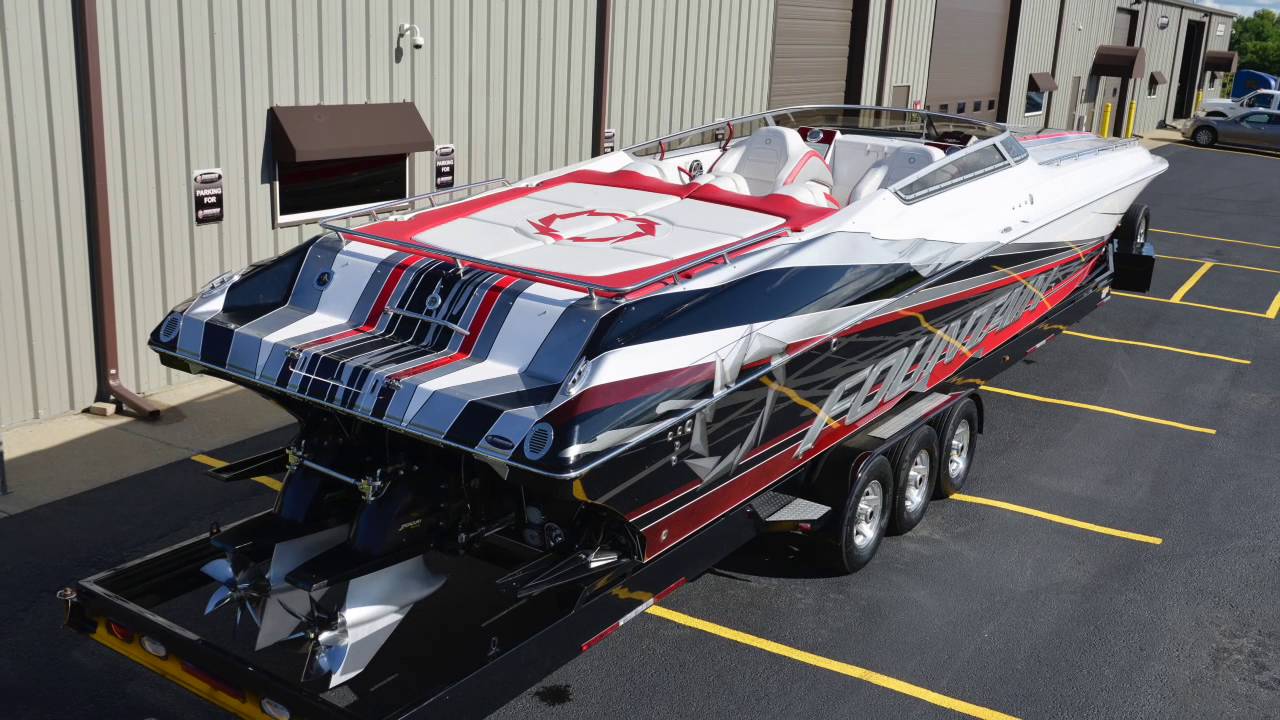
High-Output Gasoline: (e.g., Mercury Racing, Indmar) Lighter weight and explosive high-RPM power. Ideal for speedboats and ski boats where instant, peak horsepower is key. Higher fuel consumption and shorter engine life can be trade-offs.
-
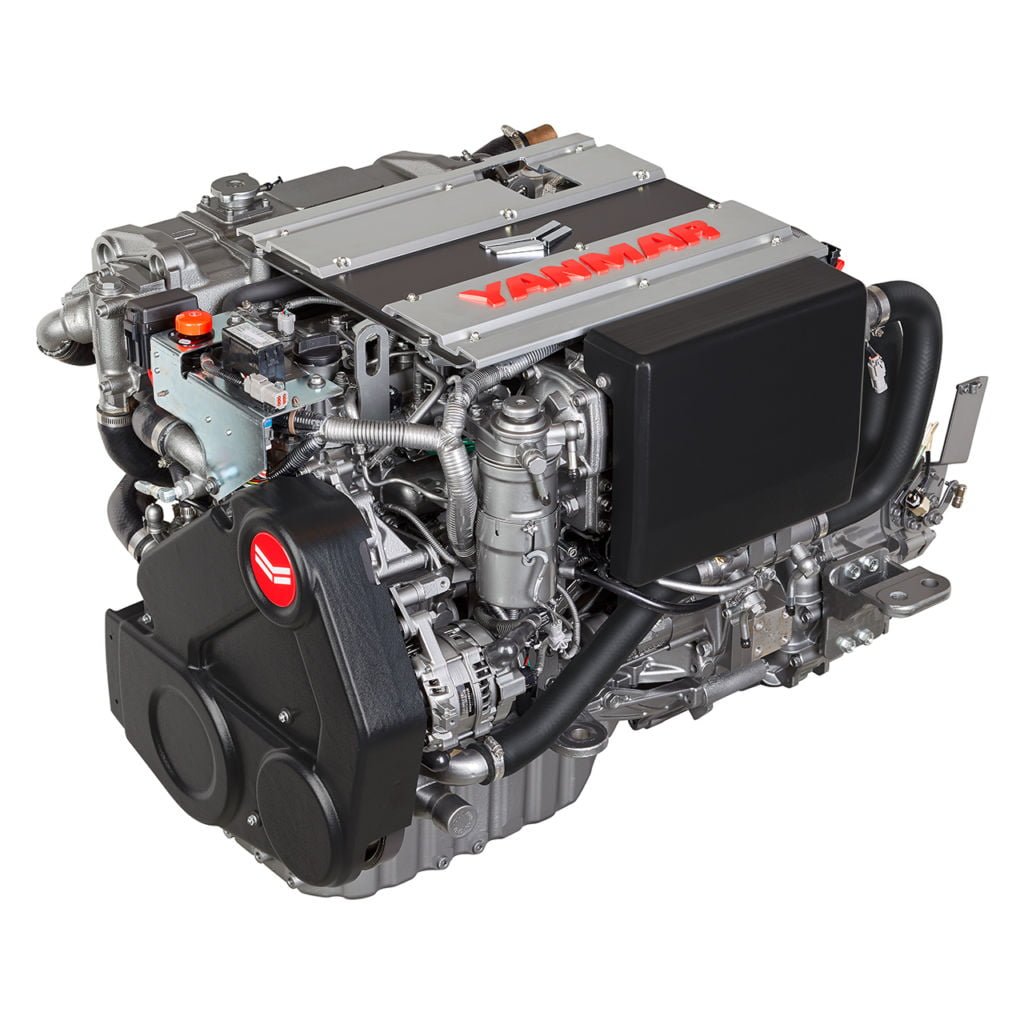
Performance Diesel: (e.g., Yanmar, Volvo Penta, Scania) Massive low-end and mid-range torque, superior fuel economy for long-range performance, and legendary durability. The choice for sportfish, cruisers, and yachts where getting to the fishing grounds quickly and efficiently is the goal.
[Image: A graph comparing Horsepower (HP) and Torque (lb-ft) curves for a typical high-output gasoline engine vs. a performance diesel engine.]
Image Caption: Feel the difference: Gasoline engines peak in HP, while performance diesels deliver a “wall” of torque for effortless planing and carrying heavy loads.
Critical Specs Beyond Horsepower
When comparing engines, don’t just look at the peak HP number. Dig deeper:
-
Torque Curve: How early and broadly does the torque peak? A flat, high torque curve means better acceleration and mid-range punch.
-
Weight: As discussed, this is paramount.
-
Physical Dimensions: Will it fit? A 【Marine Engine Diagnostic Service】 includes precise laser scanning of your engine room for a perfect fit.
-
Alternator Output: High-performance audio, radar, and gyros demand robust electrical systems.
Phase 3: Beyond the Engine – The Supporting Cast
A race car engine needs a race-spec transmission and drivetrain. Your boat is no different.
-
Propulsion System Integration: Matching the engine to the right pod drive or surface-piercing propeller is a science. Get it wrong, and you leave massive performance on the table.
-
Exhaust Systems: High-flow, through-hull exhausts reduce backpressure, freeing up horsepower and producing an authoritative sound.
-
Engine Mounts & Alignment: Precision is non-negotiable. Vibrations from misalignment rob power and damage components.
-
Digital Integration: Modern 【Marine Engine Installation Services】 include integrating engine data with your MFDs (Multi-Function Displays) for real-time performance monitoring.
Frequently Asked Questions (FAQ)
Q1: How much speed can I actually gain from a high-performance repower?
A: Gains vary wildly based on the hull. A well-executed repower with the right propeller or pod drive can see gains of 5-15% in top speed, but the most dramatic improvement is in acceleration and time-to-plane, which can be reduced by 30-50%.
Q2: Are pod drives reliable for offshore use?
A: Modern pod drives from leading manufacturers are engineered for rigorous offshore duty. Their sealed gear cases and robust construction make them highly reliable. The benefits in fuel efficiency, maneuverability, and onboard space often far outweigh the perceived risks for most owners.
Q3: What is the single most important factor in a performance repower?
A: Professional System Integration. The engine, drive unit, and propeller must be perfectly matched. The biggest failures occur when a high-horsepower engine is bolted to an incompatible drive or spun with the wrong propeller. This is not a DIY project.
Q4: Is it worth upgrading my older diesel to a new, lighter model?
A: Absolutely. Replacing a heavy, iron-block engine from the 80s or 90s with a modern, lightweight aluminum-block diesel is one of the most effective performance upgrades you can make. The combined effect of more power and less weight transforms the boat’s handling and efficiency.
Q5: How do I calculate the potential Return on Investment (ROI)?
A: While a significant financial outlay, a high-performance repower dramatically increases your vessel’s resale value and desirability. More importantly, the ROI is measured in enhanced safety (better maneuverability), reduced fuel costs (increased efficiency), and the pure enjoyment of a vessel that performs as it should. We help you model this in our guide 【Calculating the True Cost of a Marine Repower】.
Your Next Step: From Concept to Wake
A high-performance repower is a symphony of engineering, not a single note. It requires a partner who understands the sheet music of hull dynamics, mechanical systems, and digital integration.
Ready to unlock your boat’s potential? Your journey begins with a data-driven assessment.
Contact Wave Inboard Motors for a High-Performance Repower Consultation. We’ll analyze your hull, discuss your performance goals, and provide a clear path to a vessel that doesn’t just run—it soars.