



Volvo Penta D3-150 Marine Diesel Engine: Advanced 150hp Power
Unmatched Performance with Variable Geometry Turbo and Common-Rail Precision
Introduction
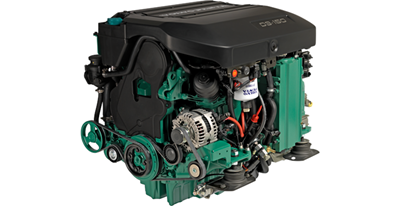
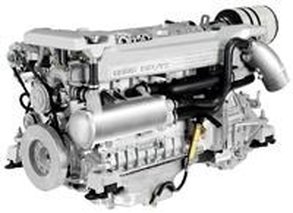
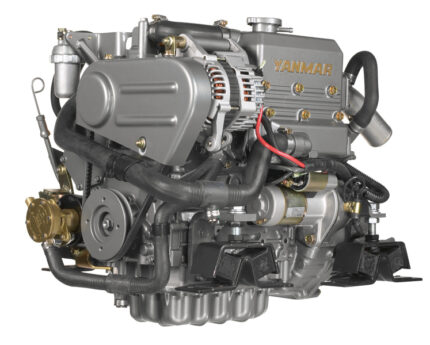
The Volvo Penta D3-150 marine diesel engine represents the cutting edge of mid-range marine propulsion, delivering a robust 150 horsepower from an incredibly compact and technologically advanced 5-cylinder platform. At Wave Inboard Motors, our factory-trained technicians have deep expertise with the D3 series, and this engine consistently impresses with its seamless power delivery and sophisticated engineering. This 150hp marine diesel engine is engineered for performance motor yachts, large sailboats, and heavy-duty commercial vessels where power, efficiency, and smooth operation are non-negotiable.
Built around a lightweight aluminum block and featuring a Variable Geometry Turbo (VGT) and common-rail fuel injection with piezo-electric injectors, the D3-150 produces exceptional torque right from idle, ensuring rapid acceleration and superb maneuvering power. The fully integrated Electronic Vessel Control (EVC) system provides unparalleled command over the engine and optional features like cruise control. For owners seeking a modern, powerful, and efficient engine for a yacht repower or new build, the Volvo Penta D3-150 for sale stands as a premier choice in its class.
This guide provides a detailed look at its advanced specifications, key differentiators, and the compelling case for choosing this powerhouse.
Technical Specifications Table
| Specification | Detail |
|---|---|
| Model | Volvo Penta D3-150 |
| Engine Type | In-line 5-Cylinder, 4-stroke, turbocharged & aftercooled diesel |
| Displacement | 2.4 L (2400 cc) |
| Max Output | 150 HP (110 kW) @ 3000 RPM |
| Aspiration | Variable Geometry Turbo (VGT) with Charge Air Cooler |
| Fuel Injection | Common-Rail with Piezo-Electric Injectors |
| Control System | Electronic Vessel Control (EVC) |
| Cooling System | Heat Exchanger (Freshwater Cooling) |
| Cylinder Head/Block | Aluminum |
| Emissions Compliance | EU RCD Stage II, EPA Tier 3 |
| Key Feature | Exceptional Low-RPM Torque |
Competitive Advantage Table
| Feature | Volvo Penta D3-150 (with VGT) | Traditional Turbocharged Diesel |
|---|---|---|
| Turbocharger Technology | Variable Geometry Turbo (VGT) | Fixed Geometry Turbo |
| Low-RPM Torque | Exceptional. VGT provides boost immediately off idle. | Laggy. Boost builds as RPM increases. |
| Acceleration | Instantaneous and powerful. | Sluggish at low RPM, then surges. |
| Fuel Efficiency | Optimized across the entire RPM range. | Best efficiency only at optimal boost. |
| Control System | Fully Integrated EVC for single-lever control & diagnostics. | Often basic mechanical or proprietary controls. |
| Weight | Lightweight due to aluminum construction. | Often heavier cast iron construction. |
Verdict: The Volvo Penta D3-150 wins decisively on technological sophistication and drivability. The VGT technology is a game-changer, eliminating turbo lag and providing tractor-like pull from the moment you push the throttle. This results in a more responsive, safer, and more enjoyable boating experience. The lightweight aluminum construction and integrated EVC system place it in a higher tier of modern marine engineering compared to older designs.
Replacement Options Table
| Consideration | Rebuild Older V8 Gasoline/Diesel | Twin Installation with D3-110s | Install Volvo Penta D3-150 |
|---|---|---|---|
| Condition | Outdated, inefficient, heavy technology | Modern, but less power per engine | State-of-the-art, high power density |
| Performance | Poor fuel economy, slower acceleration | Good, with redundancy | Exceptional torque and acceleration |
| Weight | Very Heavy | Lighter overall, but two engines | Lightweight for its power output |
| Complexity | Simple, but outdated | High (two of everything) | Modern, integrated systems |
| Best For | Budget-conscious, simple repair | Larger vessels needing redundancy | Performance yachts, optimal power/weight |
Expert Recommendation: For a vessel requiring between 130-170 horsepower, a single Volvo Penta D3-150 offers a superb balance of power, efficiency, and simplicity. It avoids the complexity and increased maintenance of twin-engine installations while providing modern performance that utterly eclipses older gasoline V8s or diesel engines. The power-to-weight ratio and compact size make it an ideal repower solution for a wide range of motor yachts and sailboats.
Pros and Cons Table
| Pros | Cons |
|---|---|
| Exceptional Torque from Low RPM (VGT) | Premium price point for advanced technology |
| Lightweight & Compact Aluminum Construction | Requires a certified Volvo Penta technician for complex diagnostics |
| Superb Fuel Efficiency (Common-Rail) | |
| Smooth & Quiet 5-Cylinder Operation | |
| Integrated Electronic Vessel Control (EVC) | |
| Freshwater Cooling for Longevity |
Link to Our Core Service Pages:
-
“Ensure optimal integration of the sophisticated EVC system with our certified Volvo Penta Installation Services.”
-
“Protect your investment with our tailored Annual Marine Engine Maintenance plans for electronic engines.”
-
“Our experts can manage your entire Yacht Repower Project, including system integration.”
-
“We source and supply genuine Volvo Penta Marine Engine Parts and filters.”
Link to Informational Blog Posts:
-
“Understand the technology: Variable Geometry Turbo (VGT) in Marine Engines: A Guide.”
-
“Is it the right time? Learn the 5 Signs You Need a Marine Engine Repower.”
-
“Planning your project? We break down the Costs of Repowering a Boat.“
-
“We explain the critical factors in Single vs. Twin Engine Installation: A Comparison.”










Reviews
There are no reviews yet.