

The Revolution Below the Waterline: 5 Key Benefits of Volvo Penta IPS Pod Drives
How forward-facing propulsion transforms performance, efficiency, and your entire boating experience.
Introduction
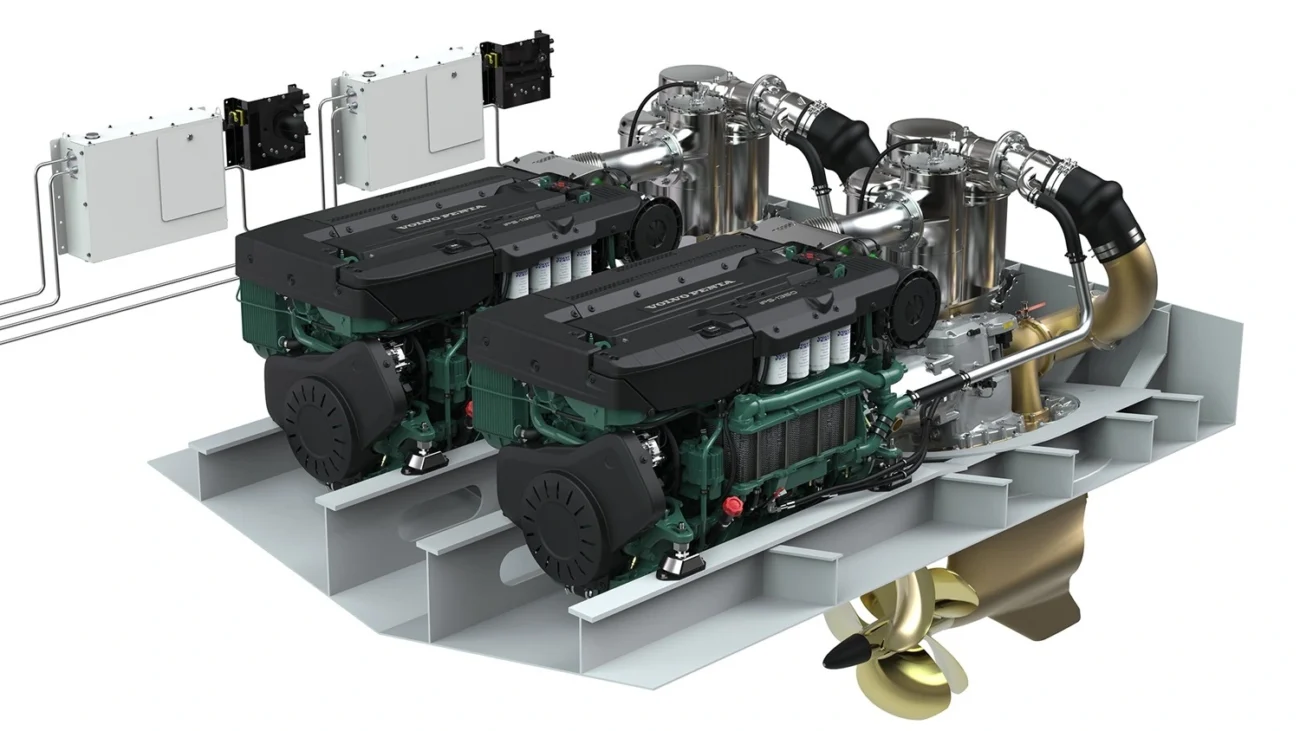
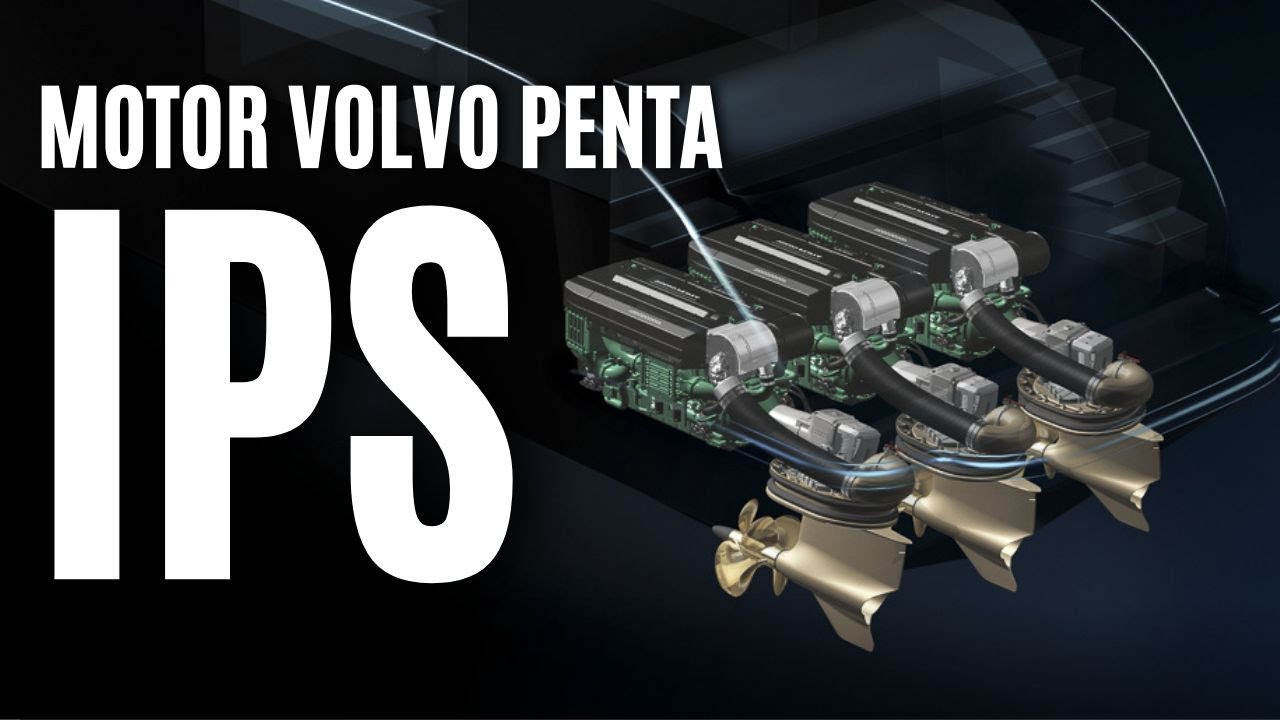
[Image: A clear diagram or 3D animation showing how an IPS pod drive works, with water flowing cleanly into the forward-facing props.]
Image Caption: Unlike traditional systems that push, IPS pod drives pull the vessel through the water, operating in clean, non-turbulent flow for maximum efficiency.
For decades, inboard shaft drives and sterndrives were the only options for powering serious motor yachts. Then Volvo Penta introduced Inboard Performance System (IPS), and everything changed. This wasn’t just an incremental improvement; it was a complete re-imagining of marine propulsion from the propeller forward.
At Wave Inboard Motors, our direct experience with installing and servicing these systems through our 【Marine Engine Repowering Solutions】 has shown us firsthand how they transform a vessel. But what exactly makes IPS so revolutionary? This guide breaks down the five key benefits that make Volvo Penta IPS Pod Drives a genuine game-changer.
1. Unmatched Fuel Efficiency and Range
The Problem: Traditional shafts push the boat, with the propeller churning in turbulent water created by the hull and running gear. This is inherently inefficient.
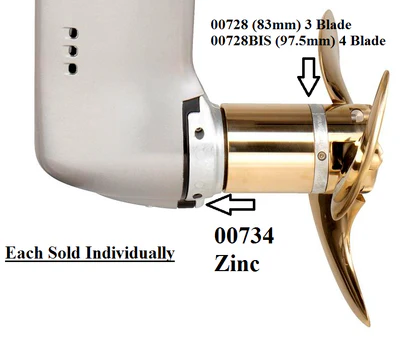
The IPS Solution: The pods are located forward under the hull, where water flow is clean. The forward-facing, counter-rotating propellers “pull” the vessel through the water with dramatically less resistance and cavitation.
-
The Result: Boat owners typically see up to 30% lower fuel consumption at cruising speed compared to an inboard shaft system of equivalent power. This also translates directly to a 30% longer range from the same fuel tanks—a critical advantage for cruising.
2. Revolutionary Maneuverability and Control
[Image: A photo of a Volvo Penta joystick controller on a helm, with a boat graphic showing effortless docking.]
Image Caption: The Joystick Driving system makes complex maneuvers intuitive, reducing docking stress and increasing safety.
The Problem: Docking a large twin-screw boat in a crosswind requires skill, practice, and a bit of luck.
The IPS Solution: Each pod is a steerable drive unit. Paired with Volvo Penta’s Electronic Vessel Control (EVC), this enables the revolutionary Joystick Driving system. The joystick allows you to move the boat sideways, diagonally, or turn it on its own axis with pinpoint precision.
-
The Result: Docking becomes intuitive and stress-free, even for less experienced helmsmen. Advanced systems like Dynamic Positioning use GPS to hold the boat’s position automatically, which is perfect for fishing, swimming, or waiting for a bridge.
3. A Quieter, Smoother Onboard Experience
The Problem: Inboard engines transmit vibration and noise through the shafts and into the hull, creating a noisy environment in salons and staterooms.
The IPS Solution: The engines are mounted on soft, sound-absorbing dampers and are connected to the pods via CV joints, which isolate vibration. The entire system runs at lower RPMs for a given speed, further reducing noise.
-
The Result: The reduction in noise and vibration is not just slight; it’s profound. Sound levels in the cabin can be up to 50% lower. This transforms the boating experience, making conversation easier and long cruises far more relaxing.
4. Increased Interior & Cockpit Space
The Problem: Traditional inboards require large engine boxes that intrude into the salon, and long, sloping propeller shafts that consume valuable space in aft cabins or lazarettes.
The IPS Solution: The compact pod drives are installed externally, and the engines can be positioned further aft and lower in the hull because there are no long, angled shafts to connect.
-
The Result: Boat builders can design more spacious salons without engine boxes, create full-beam master staterooms in the stern, and increase cockpit storage. This fundamentally improves the livability and layout of the vessel.
5. Enhanced Performance and Safety
The Problem: Traditional systems can suffer from “bow rise” on acceleration and have slower planing times.
The IPS Solution: The pulling power and optimal thrust vector of the IPS units lift the entire hull onto plane more efficiently. The forward-facing props also provide immediate reverse thrust without the “prop walk” associated with traditional shafts.
-
The Result:
-
Faster Planing & Better Acceleration: The boat gets on plane quicker and stays level.
-
Superior Seakeeping: The running angle is optimized for better visibility and comfort in waves.
-
Safer Stopping: Powerful, direct reverse thrust provides shorter stopping distances.
-
Frequently Asked Questions (FAQ)
Q1: Are IPS pod drives reliable?
A: Modern IPS systems are engineered for durability and reliability. Like any complex marine system, their longevity is directly tied to professional 【Scheduled Marine Diesel Maintenance】 by certified technicians. Proper care and avoiding underwater impacts are key.
Q2: Can I repower my existing boat with IPS drives?
A: It is a complex but possible project for a suitable hull. It requires a full 【Marine Engine Diagnostic Service】 and a hull survey to assess structural feasibility. The transformation, however, can be so significant that it’s like getting a new boat. We discuss this in 【Calculating the True Cost of a Marine Repower】.
Q3: What is the difference between IPS and other pod drives?
A: While the concept is similar, Volvo Penta’s integration is a key differentiator. Their Engine Electronic Control (EVC) system seamlessly manages the engines and pods as a single unit, and their forward-facing, counter-rotating propeller design is uniquely efficient.
Q4: Are IPS drives more expensive to maintain?
A: The maintenance protocol is different and requires specialized knowledge and parts, which can be more costly than a simple shaft seal service. However, this is often offset by the massive fuel savings and reduced wear on the engines from running at lower RPMs.
Q5: What happens if I hit something with the pod?
A: IPS pods are designed with a breakaway system that absorbs impact to minimize damage to the hull and drive. While not indestructible, this safety feature can prevent catastrophic failure. Having the right insurance and a skilled repair facility is crucial.
Conclusion: Is IPS Right for You?
Volvo Penta IPS is more than just a different type of drive; it’s a holistic upgrade to the modern boating experience. The benefits are interconnected: the efficiency that saves you fuel also gives you more range; the quietness that enhances comfort is a result of the same engineering that improves performance.
If your priorities are uncompromising comfort, superior handling, lower operating costs, and maximizing your vessel’s potential, then exploring an IPS-powered boat or a repower is the logical next step.
Ready to experience the IPS difference? Contact the experts at Wave Inboard Motors. We can provide a realistic assessment for your 【Marine Engine Repowering Project】 and demonstrate how this revolutionary technology can transform your time on the water.