



Yanmar YM Series Marine Engines: The Ultimate Buyer’s Guide
Navigating the legendary line of diesel engines from the 1GM10 to the 4JH4E. Expert insights from Wave Inboard Motors.
Introduction: The Gold Standard of Marine Diesel Power
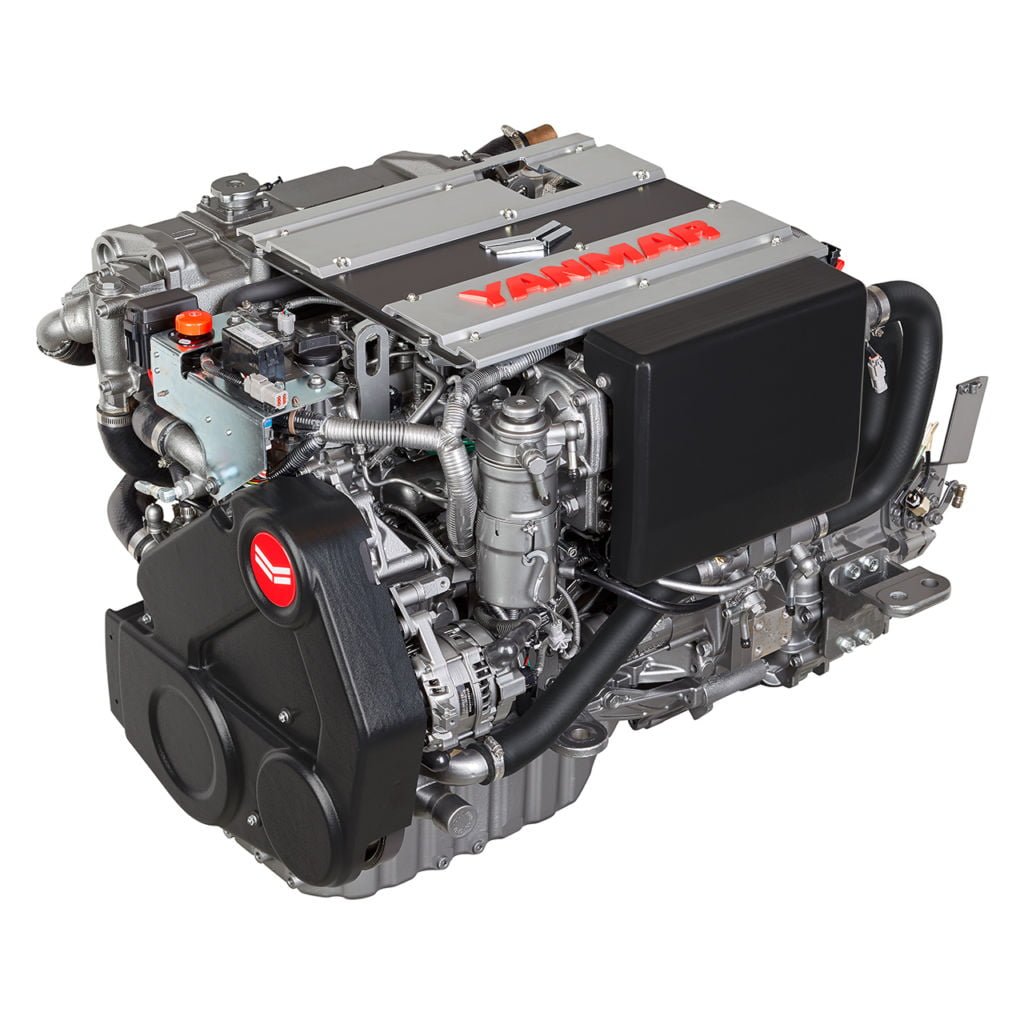
For decades, the name Yanmar has been synonymous with reliability in the marine world. At the heart of this reputation is the YM series—a lineage of diesel engines that have powered everything from weekend sailboats to serious cruising yachts. At Wave Inboard Motors, our certified mechanics have installed, serviced, and repowered vessels with every model in this series. This guide consolidates our hands-on experience into a definitive resource to help you understand, compare, and choose the right Yanmar YM engine for your needs.
Whether you’re considering a repower, evaluating a boat for purchase, or simply seeking to understand the engine in your bilge, this guide provides the expert knowledge you need to make an informed decision.
YM Series Generations & Model Overview
The “YM” designation can be confusing. It broadly encompasses several generations of engines, each with incremental improvements. Here’s how to decode them:
-
First Generation (The “GM” Series): The original classics. Known for raw, mechanical simplicity.
-
1GM10: Single-cylinder, 9-10 hp.
-
2GM20F: Two-cylinder, 15-18 hp.
-
3GM30F: Three-cylinder, 27-30 hp.
-
-
Second Generation (The “JH” Series): A major redesign. More compact, lighter, and smoother.
-
2JH2E, 3JH3E, 4JH4E: Two, three, and four-cylinder models.
-
-
Third Generation (The “YM” Series): The modern evolution, featuring updated styling and often common-rail injection for better efficiency and lower emissions.
-
2YM15, 3YM30, 4JH4E (continued): Note the “4JH” was often carried over and updated.
-
Simplified Model Naming:
-
First Digit: Number of cylinders (e.g., 3 = three cylinders).
-
Letters: GM (older), JH (interim), YM (modern).
-
Last Digits: Approximate horsepower (e.g., 30 = ~30 hp).
Comparative Technical Specifications Table
Use this table to quickly compare the most common models at a glance.
| Model | Cylinders | HP (approx.) | Displacement | Weight (Dry) | Key Features & Primary Use |
|---|---|---|---|---|---|
| 1GM10 | 1 | 9 HP | 0.305L | 145 lbs (66 kg) | Legendary reliability for small sailboats (25-28′). Pronounced vibration. |
| 2GM20F | 2 | 18 HP | 0.406L | 220 lbs (100 kg) | A huge leap in smoothness over the 1GM. Ideal for boats 28-32′. |
| 3GM30F | 3 | 27 HP | 0.635L | 238 lbs (108 kg) | Smooth, powerful classic. Workhorse for boats 32-36′. |
| 3YM30 | 3 | 29 HP | 1.642L | 315 lbs (143 kg) | Modern, efficient, smooth. Excellent repower for 3GM30 boats (32-38′). |
| 4JH4E | 4 | 50-56 HP | 2.193L | 420 lbs (190 kg) | Powerful, smooth four-cylinder. For larger sailboats & powerboats (38-45′). |
In-Depth Model Analysis: Pros, Cons & Expert Insights
The Classics: 1GM10, 2GM20F, 3GM30F
-
Pros:
-
Simplicity: Mechanical fuel injection is robust and easier for owners to troubleshoot.
-
Durability: Legendary for a reason. Many are still running strong after 40+ years.
-
Parts Support: Excellent global aftermarket and OEM parts availability.
-
-
Cons:
-
Vibration: Especially noticeable on the 1GM10 and 2GM20F.
-
Weight & Size: Heavier and larger per horsepower than newer models.
-
Raw Water Cooling: Most are raw-water cooled, which can lead to more corrosion over time if not meticulously maintained.
-
-
Expert Verdict: Fantastic engines if well-maintained. Ideal for the DIY owner. When inspecting one, check for corrosion, smoke under load, and fresh coolant (if equipped with a heat exchanger).
The Modern Workhorses: 3YM30, 4JH4E
-
Pros:
-
Efficiency: Advanced fuel injection provides better fuel economy and lower emissions.
-
Performance: Smoother, quieter, and more powerful for their size.
-
Closed Cooling: Standard on most models, greatly improving longevity.
-
High-Output Alternators: Better support for modern electrical systems.
-
-
Cons:
-
Complexity: Electronic controls require a certified mechanic for advanced diagnostics.
-
Cost: Higher initial purchase price.
-
Sensitive Electronics: Vulnerable to poor electrical system health (corrosion, voltage spikes).
-
-
Expert Verdict: The superior choice for a repower or a newer boat. They offer a quality-of-life improvement that is immediately noticeable. Ensure installations are done correctly to protect the electronics.
YM Series Buyer’s Checklist: What to Look For
When Evaluating a Used YM Engine:
-
Visual Inspection: Look for major oil leaks, significant rust (especially on the base), and cracked or frayed hoses.
-
Cold Start: Can it start quickly without excessive smoke? Excessive white smoke at startup can indicate low compression.
-
Oil Analysis: For a serious purchase, consider a used oil analysis. It can reveal internal wear, coolant leaks, and other hidden issues.
-
Service History: Records are gold. Look for evidence of regular oil changes, impeller replacements, and valve adjustments.
-
Raw Water Flow: Check that cooling water is exiting the exhaust strongly at operating temperature.
-
Check for Overheating: Look for signs of boiled-over coolant or a warped exhaust manifold.
Repower Considerations: Is a YM Engine Right for Your Boat?
-
Matching Horsepower: Don’t just repower with the same HP. Use a reputable horsepower calculator. Often, a modern engine of slightly lower HP but higher torque can be more efficient.
-
Physical Dimensions: Newer engines are often more compact, but mounting points and shaft alignment are critical. 【Professional Marine Engine Installation】 is highly recommended.
-
Electrical Integration: Modern engines with electronic control panels require clean power. Your installer must ensure your vessel’s electrical system is up to the task.
Expert Recommendation: For most owners, repowering with a modern Yanmar 3YM30 or 4JH4E is a fantastic investment that enhances the value, performance, and enjoyment of the vessel. The fuel efficiency and reliability gains outweigh the initial cost.
Authority-Building Internal Linking & Next Steps
This guide is just the beginning. At Wave Inboard Motors, we don’t just sell engines; we provide complete solutions backed by decades of expertise.
Ready to take the next step? Explore our dedicated services:
-
Get a custom quote for your 【Sailboat Repower Project】.
-
Ensure a perfect fit with our 【Professional Marine Engine Installation】 services.
-
Keep your Yanmar running perfectly with our 【Annual Marine Engine Maintenance】 plans.
-
Source genuine components with our 【Yanmar Marine Engine Parts】 service.
Deepen your knowledge with our expert articles:
-
Read the definitive guide on 【Replacing an Old Marine Diesel Engine】.
-
Understand the costs involved in 【Budgeting for a Marine Engine Repower】.
-
Learn how to 【Diagnose Common Yanmar Engine Problems】 before they leave you stranded.
-
Compare your options in 【Modern Diesel vs. Older Marine Engines: A Complete Comparison】.
Disclaimer: This guide is based on our professional experience. Specifications can vary by model year and specific configuration. Always consult your engine’s official service manual for precise information.